
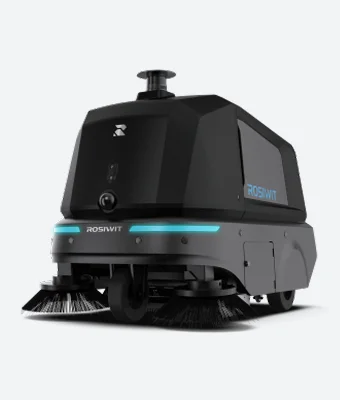

It may be a corridor kept free of footprints and water marks, cleaning scheduled around ward rounds and visiting hours, or floors cleaned quietly at night without disturbing resting patients.
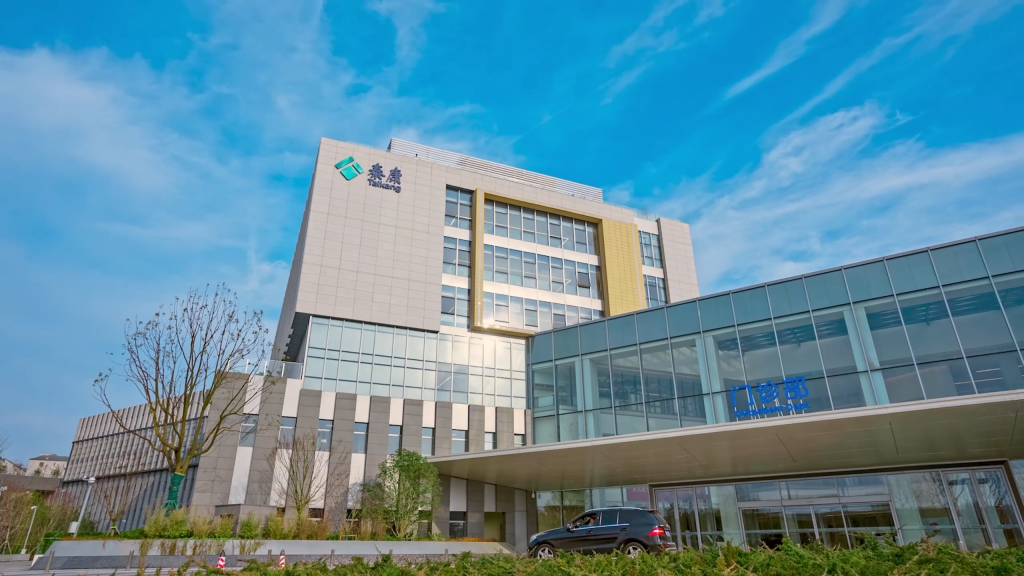
In hospitals, the best cleaning is often the cleaning that goes unnoticed.
For premium healthcare facilities, cleaning is about more than making floors look clean. It must work alongside patients, medical staff, hospital beds, medication carts, and constantly changing foot traffic. The real challenge is not simply whether a robot can clean, but whether it can clean at the right time, in the right place, and in the right way.
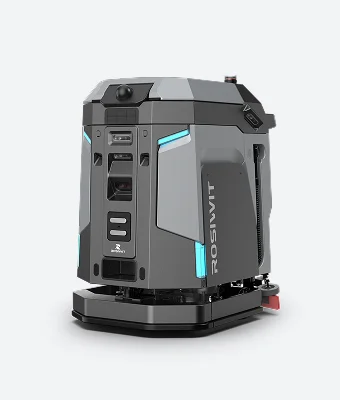
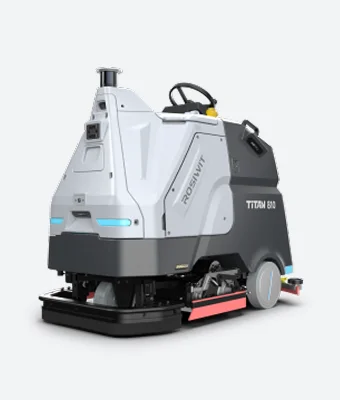
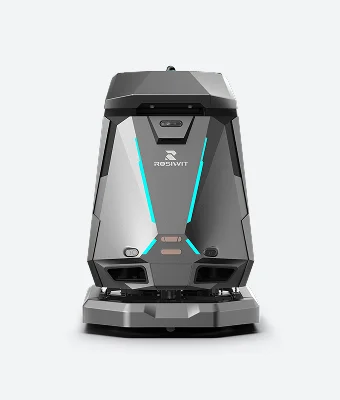
At the inpatient department of Taikang Hospital in Nanjing, Rosiwit Technology’s Skywalker GT is helping make this possible.
Cleaning That Knows When Not to Disturb
An inpatient department is a dynamic environment. Ward rounds, medication delivery, visiting hours, hospital beds, temporarily closed doors, and sudden stops in pedestrian traffic can all affect cleaning operations.
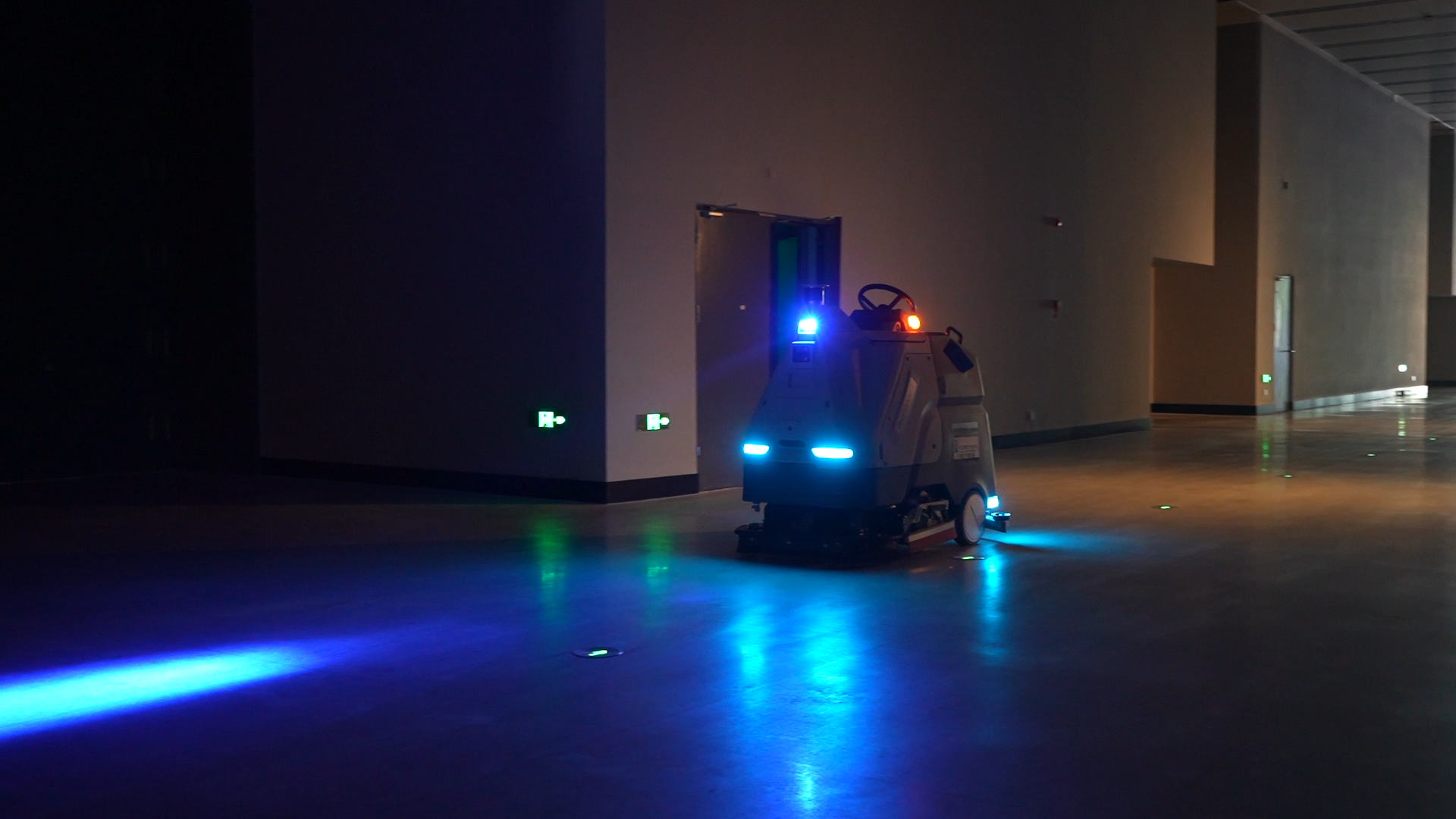
Skywalker GT operates according to preset schedules and routes, helping avoid peak periods for ward rounds, medication delivery, and visits. When it encounters pedestrians, hospital beds, or temporary obstacles, it identifies them and navigates around them. When waiting is necessary, it avoids forcing its way through crowds. When conditions allow, it returns to its planned route and continues cleaning.
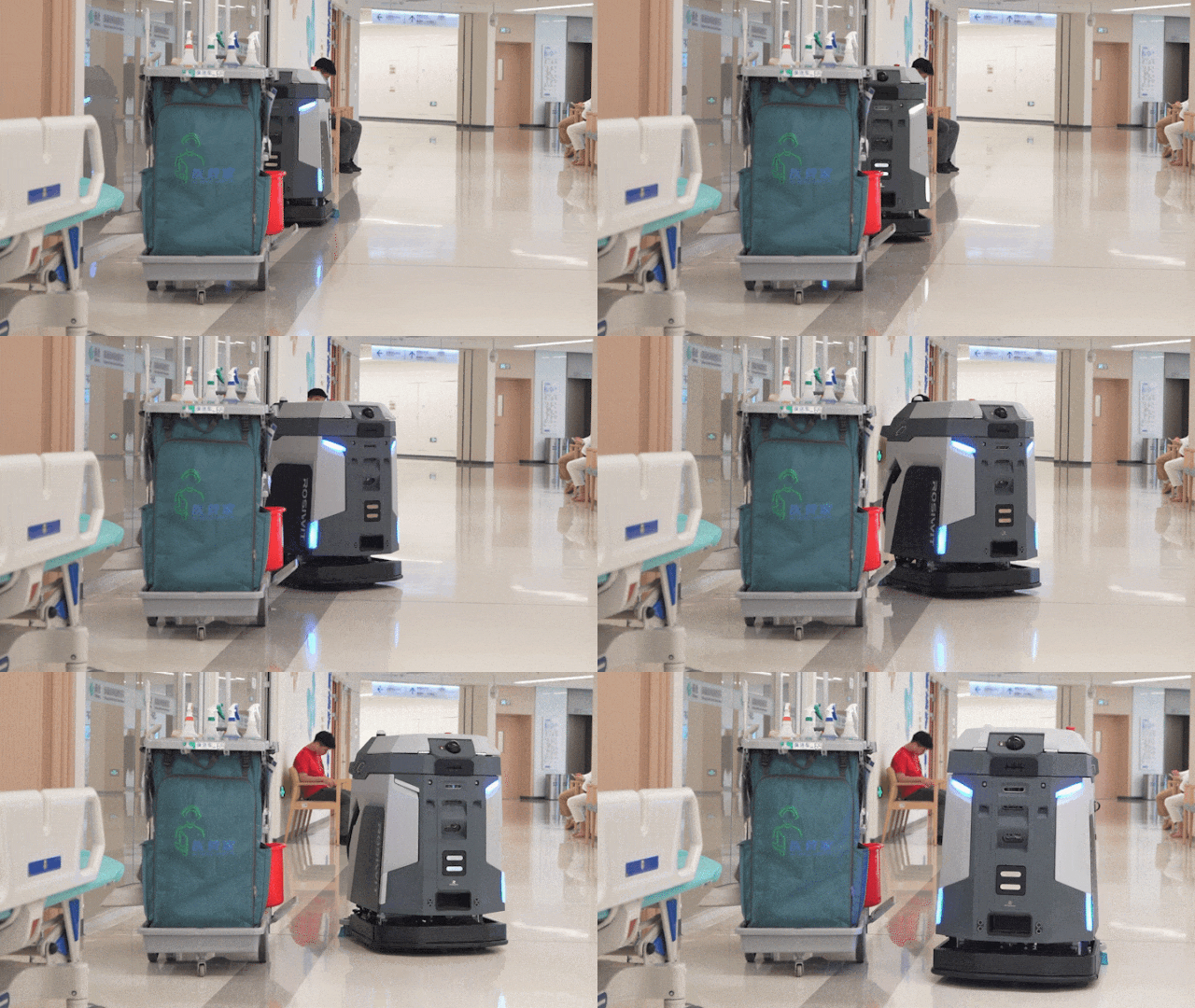
This autonomy is not about making the robot appear intelligent. It is about helping it better understand the environment.
For patients and families, this means fewer interruptions and a more peaceful environment. For medical staff, it means fewer blocked corridors, less residual water, and less repeated work. For hospital managers, it turns cleaning into a process that can be scheduled, tracked, and reviewed.
More Than a Clean-Looking Floor
Inpatient floors face continuous pressure from foot traffic, cart marks, and changing levels of contamination. Effective cleaning requires both strong scrubbing performance and minimal residual water.
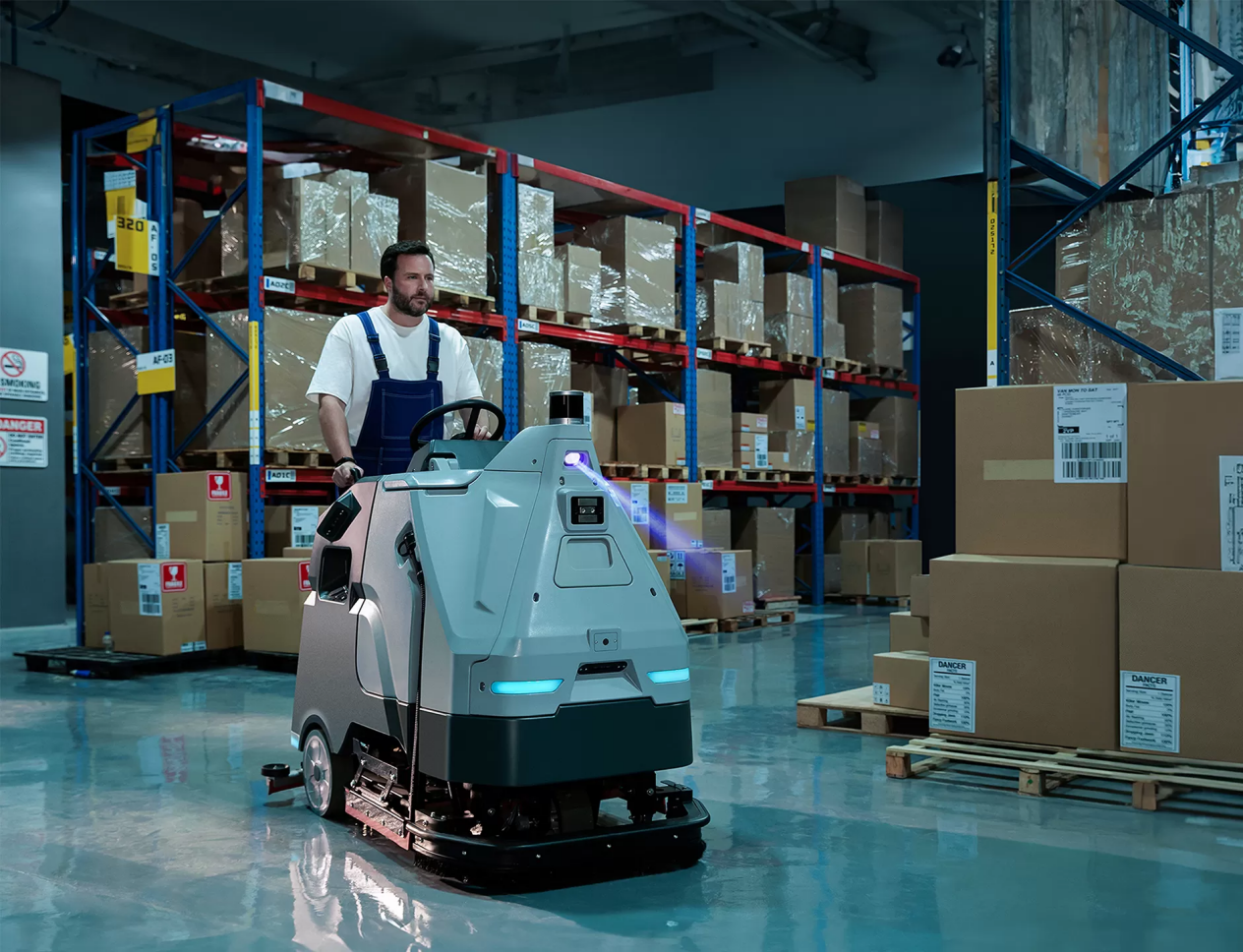
Skywalker GT delivers up to 33 kg of cleaning pressure and supports automatic cleaning-solution dosing for more effective removal of stubborn stains. Its wash-and-dry cleaning system collects wastewater while cleaning, reducing slippery surfaces and improving overall safety and comfort.
In floor-washing mode, Skywalker GT operates at noise levels as low as 60 dB. This makes it suitable for noise-sensitive environments such as hospitals, shopping centers, and campuses.
Cleaning can therefore take place during quieter periods, including lunch breaks and nighttime. Floors can be refreshed before the next peak period, without repeatedly disrupting daily operations.
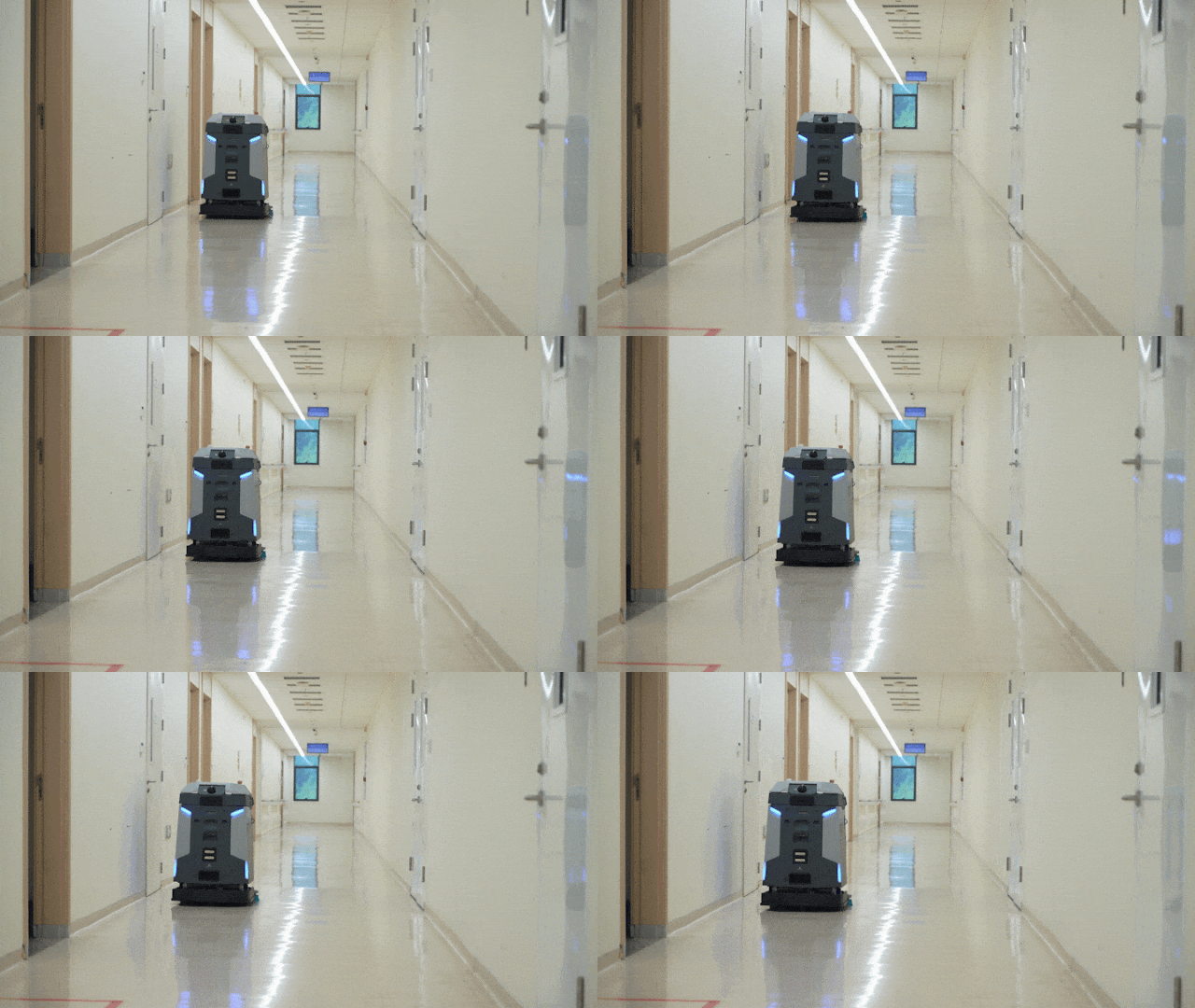
Truly premium service lies in these undisturbed moments.
More Than a Change in Cost
At Taikang Hospital, one Skywalker GT is expected to achieve a payback period of approximately 1.4 years and generate more than RMB 100,000 in cumulative savings over three years.
These figures show that cleaning robots can perform in complex healthcare environments while also delivering measurable long-term operational value.
By taking on repetitive floor-cleaning tasks, the robot reduces the amount of time cleaning staff spend on repeated scrubbing and schedule-driven work. Staff can focus more on detailed areas, unexpected situations, and the needs of patients and medical teams.
Technology is not about removing people from the service environment. It is about freeing them from repetitive physical work so they can spend more time on tasks that require attention, judgment, and a human touch.
That is the value of cleaning automation in premium healthcare: more consistent standards and more thoughtful service.
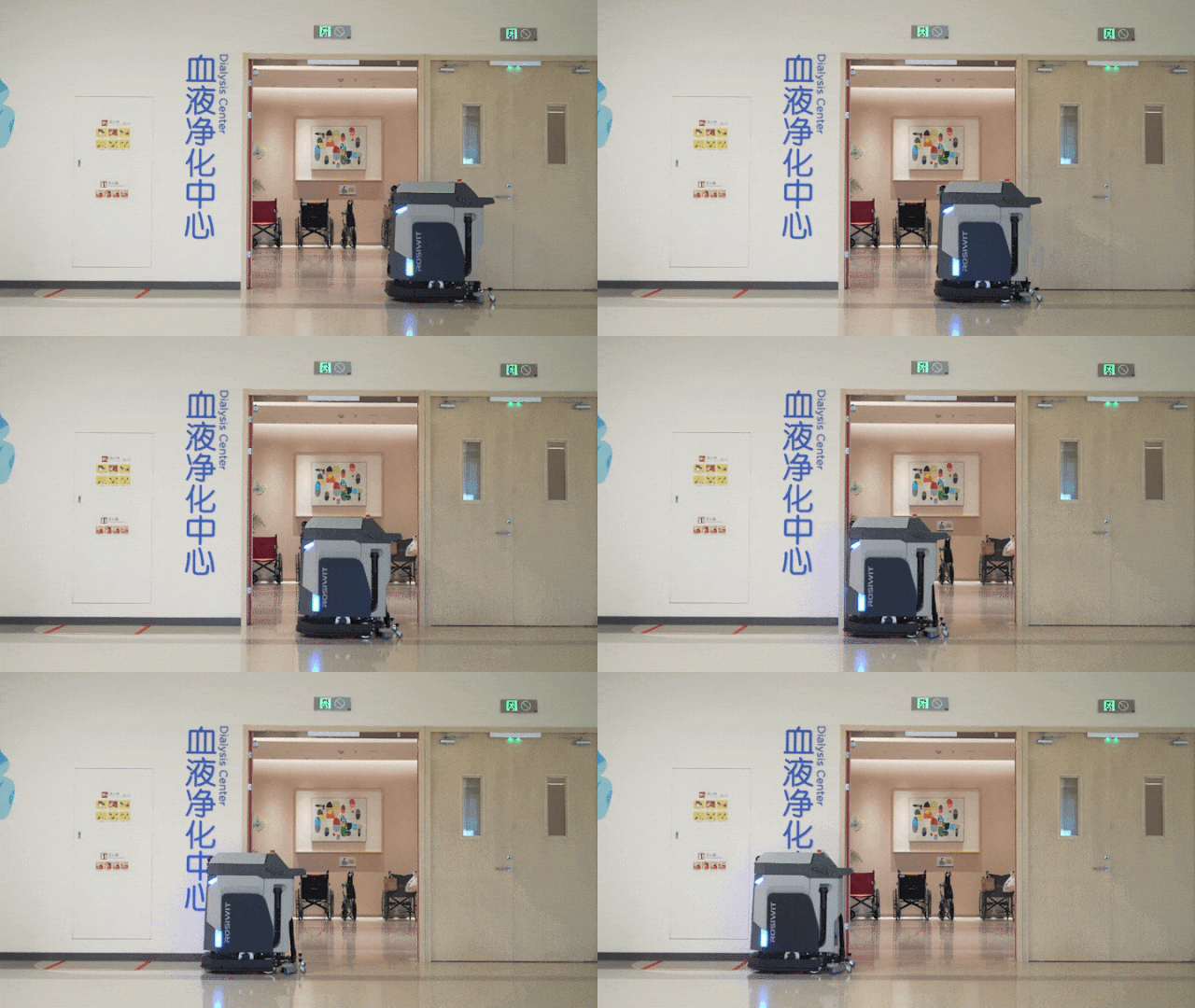
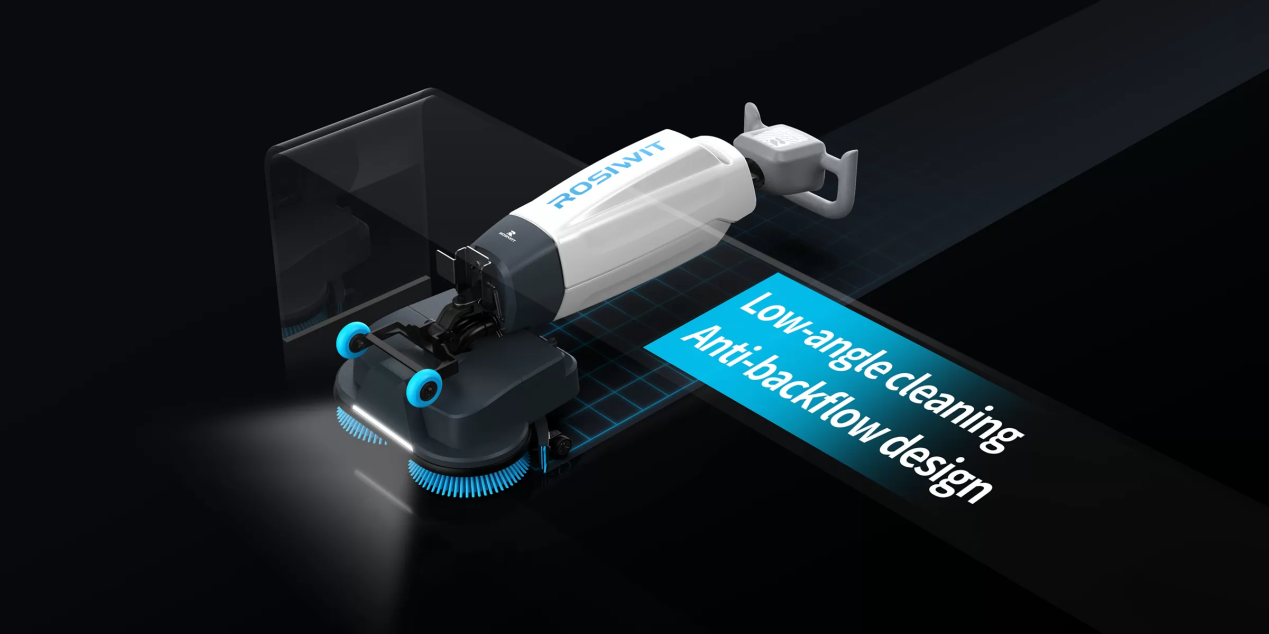
Dust‑mopping with low noise output
Cleaning in Different Healthcare Environments
Wuhan No. 4 Hospital: Making Better Use of Limited Cleaning Windows
With heavy traffic during the day, nighttime provides a more suitable window for concentrated cleaning. Key areas may also require repeat cleaning based on pedestrian flow and contamination levels.
At Wuhan No. 4 Hospital, Skywalker GT operates autonomously during nighttime cleaning windows, reducing disruption to daytime patients and medical staff. After more than 100 days of operation, its average effective coverage efficiency exceeded 610 square meters per hour, while its actual cleaning workload reached 1.66 times the effective coverage area.
The improvement is not simply about cleaning faster. It is about making cleaning, repeat cleaning, and process tracking more complete within limited operating hours.
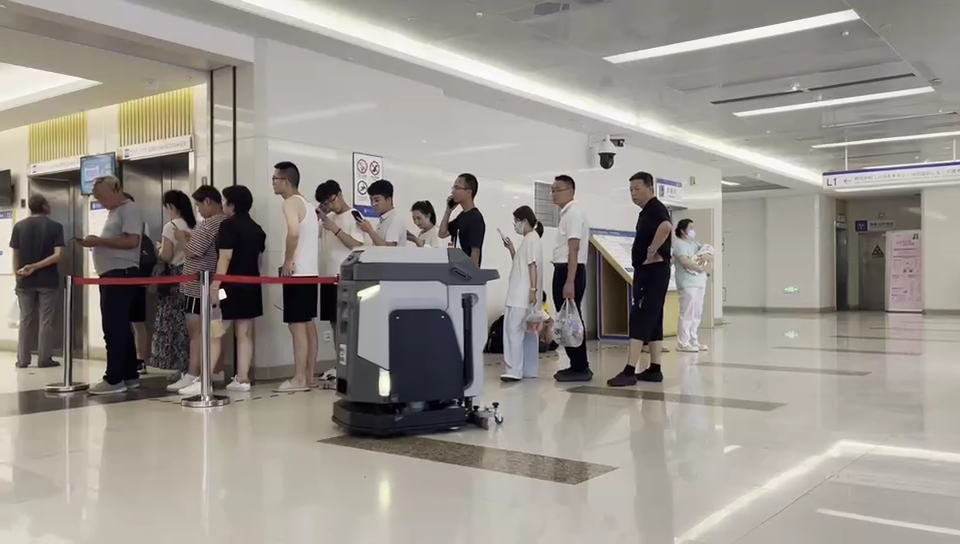
With limited cleaning windows, consistent execution is efficiency itself.
St. Marien Hospital, Germany: Consistent Standards Along Long Corridors
At St. Marien Hospital in Germany, long corridors and dispersed public areas make it difficult to maintain consistent cleaning through temporary scheduling alone.
Skywalker 50 takes on repetitive cleaning tasks and operates autonomously along preset routes. With nighttime operation, automatic recharging, and task records covering cleaning area, duration, and status, it helps make cleaning standards less dependent on who is working on a particular day.
Along a long corridor, the robot repeats the same route every day. A simple task becomes a reliable, standardized routine.
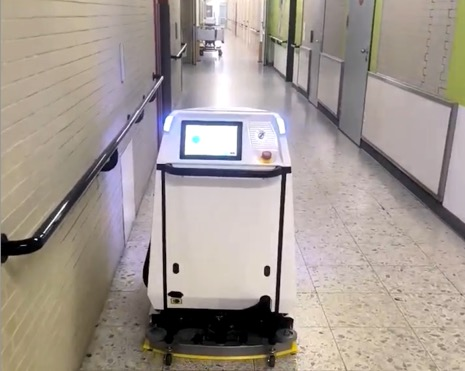
Corridor cleaning with automatic obstacle avoidance
From Cleaning Once to Continuous Care
Hospitals, hotels, office buildings, and commercial complexes are raising their expectations for cleaning. People care not only whether a floor has been cleaned, but also whether cleaning is timely, quiet, safe, traceable, and compatible with a busy environment.
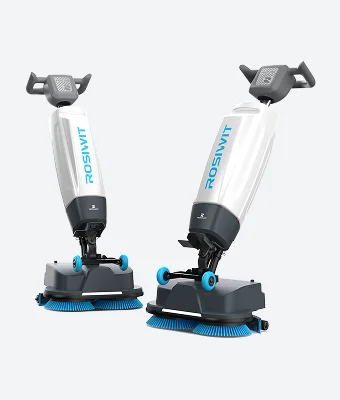
The Rosiwit Skywalker series turns these expectations into practical capabilities: autonomous route planning, flexible obstacle avoidance, scheduled operation, low-noise performance, wash-and-dry cleaning, and data-based task tracking.
A good cleaning robot should work like a reliable behind-the-scenes service professional: appearing when needed and staying out of the way when it should not disturb anyone.
It keeps floors clean, helps maintain order, and creates a more comfortable environment for everyone.
Cleaning may happen on the floor, but its impact reaches every person in the space.