
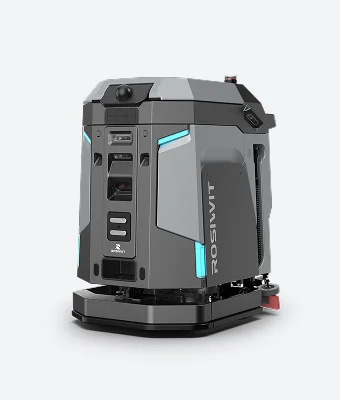

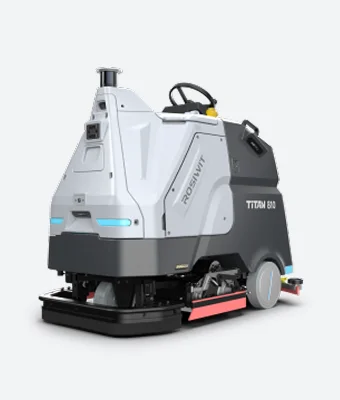
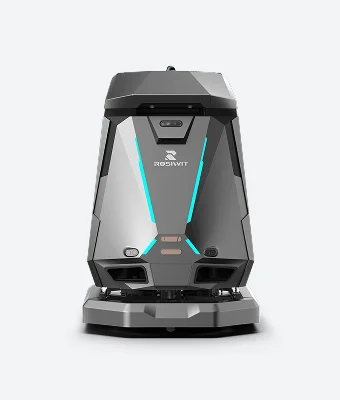
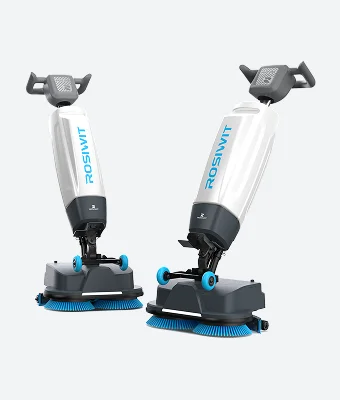
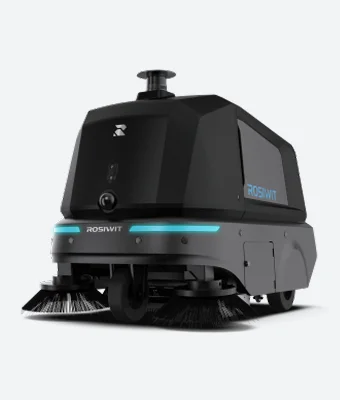

A clean indoor environment influences how guests, employees, and visitors experience a building. Hotels and office buildings usually have different activity patterns, with busy entrances, shared spaces, and working areas requiring regular maintenance. An autonomous cleaning robot provides a new option for businesses that want to improve routine floor cleaning while keeping daily operations organized.
Cleaning tasks in these spaces are not only about removing dust or stains. Teams also need to consider timing, visitor movement, safety, and labor arrangements. With proper planning, automated equipment can become part of a wider facility management process and help reduce repeated manual work.
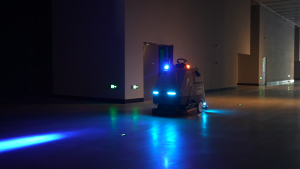
Cleaning Requirements in Indoor Commercial Spaces
Hotels and office buildings include many areas with different cleaning demands. Lobbies, corridors, meeting rooms, waiting areas, and open office spaces may experience different levels of activity throughout the day. This makes it difficult for cleaning teams to follow one fixed schedule for every location.
Manual cleaning remains important for detailed tasks, but repeated floor maintenance can take significant time. In large buildings, teams may need to arrange cleaning routes, coordinate working hours, and avoid disturbing guests or employees during busy periods.
When businesses evaluate cleaning equipment, they usually consider several practical factors. Navigation ability, safety functions, cleaning performance, and compatibility with indoor layouts can influence whether a solution fits their daily workflow.
From our perspective, indoor cleaning automation should focus on solving real operational challenges. A suitable system needs to move through different spaces, respond to environmental changes, and work together with existing facility management methods.
How Automation Supports Hotel and Office Operations
Automation helps businesses create a more structured approach to routine floor maintenance. Instead of relying only on manual schedules, facility teams can combine robotic equipment with current cleaning processes to arrange tasks more efficiently.
A commercial automatic floor cleaner can assist with repeated floor care in areas that require frequent maintenance. For example, hotels can arrange cleaning during quieter periods, while office buildings can use automation to manage common areas with regular visitor movement.
For facility teams managing large indoor areas, an autonomous cleaning robot can provide consistent route planning and scheduled cleaning support. This allows managers to organize routine floor maintenance based on building conditions and daily activity patterns.
Hotels often need to maintain clean public spaces while providing a comfortable experience for guests. Equipment used in these environments should operate with suitable safety features and avoid unnecessary interruptions.
Office buildings face similar requirements. Cleaning teams need solutions that can work around desks, meeting areas, and shared facilities. Automated equipment can help manage routine cleaning tasks while allowing employees to focus on more detailed inspection and maintenance work.
How Intelligent Features Improve Indoor Cleaning Safety
Modern cleaning robots depend on sensing and navigation technologies to understand indoor surroundings. The Skywalker GT combines 3D LiDAR, RGB-D vision, and ultrasonic sensing to identify suspended, low-lying, and moving obstacles during operation.
Through AI-integrated perception, the system supports precise positioning, path planning, and obstacle avoidance. These functions allow the robot to recognize different conditions and create suitable routes based on the surrounding environment.
Safety is an important consideration for hotels and office buildings because these locations often have people moving nearby. Features such as anti-drop protection, emergency stops, and safety bumpers provide additional control during operation.
At Rosiwit, we develop robotic cleaning solutions for businesses that need automation support in indoor and industrial environments. We focus on combining practical application requirements with intelligent technology, helping partners evaluate solutions according to their facility conditions and cleaning processes.
Key Factors When Choosing Cleaning Robots
Before selecting cleaning equipment, facility managers should review the actual conditions of their buildings. Floor materials, available space, cleaning frequency, and traffic patterns can affect equipment suitability.
For cleaning service providers and traditional equipment distributors, flexibility is also an important factor. Different customers may need solutions for hotels, offices, public facilities, or other indoor areas with different layouts.
Operation and maintenance should also be included in the evaluation process. Clear status information, simple operation methods, and suitable service arrangements can help teams manage equipment more effectively after installation.
A cleaning robot should match the working environment instead of only focusing on technical features. Businesses can make more practical choices by comparing equipment functions with their daily management requirements.
Creating Better Cleaning Processes with Automation
Indoor cleaning automation is becoming a useful part of modern facility management. As hotels and office buildings continue to improve operational processes, robotic solutions provide another way to organize regular floor maintenance.
We continue to develop solutions that support different business scenarios and cleaning requirements. Rosiwit works with commercial partners that are interested in applying robotic cleaning technologies to improve their facility operations.
When businesses choose a commercial automatic floor cleaner, they should review navigation, safety design, and workflow integration together. These elements influence how well the equipment can fit into real working conditions.
The future of indoor cleaning depends on how technology connects with practical needs. By understanding building layouts, cleaning goals, and management processes, facility teams can create more organized cleaning systems that support daily operations.