
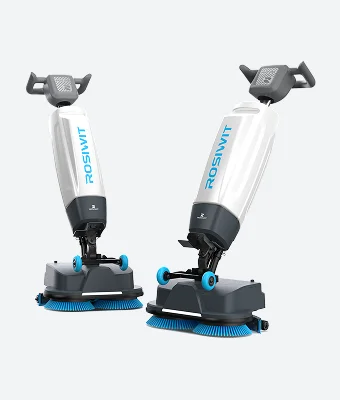
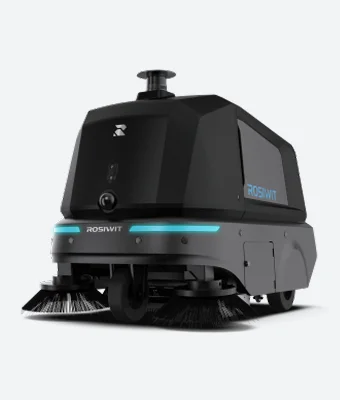

Commercial cleaning requires equipment that can match different working environments. Warehouses, production areas, and public facilities often have different floor conditions, traffic levels, and cleaning schedules. A suitable machine can help operators manage daily tasks more efficiently. A walk behind floor scrubber provides direct operation control, while a walk behind floor cleaner can support routine floor maintenance in various commercial spaces.
For many B2B users, equipment selection is not only about cleaning results. Operation methods, maintenance requirements, and workplace conditions also affect the final decision. Practical equipment still has value when companies need flexible cleaning arrangements.
Why Direct Control Still Matters in Cleaning Tasks
Different facilities may have changing layouts and working conditions. Storage areas can be adjusted, production spaces may include different equipment zones, and public areas may experience changing visitor flow. These situations require cleaning machines that can respond to specific needs.
Directly operated equipment allows users to adjust movement and cleaning routes during operation. Operators can decide where to focus and how to handle different floor conditions based on actual situations.
For cleaning service companies and facility teams, flexibility is an important consideration. Equipment that is simple to operate can help workers complete scheduled tasks without complicated preparation.
We understand that commercial users often need a balance between cleaning efficiency and daily convenience. Equipment should fit existing workflows instead of creating additional operation difficulties.
Applications in Industrial and Commercial Areas
Industrial environments usually have specific cleaning requirements. Warehouses may collect dust from material handling activities, while production workshops may require regular floor care around working areas.
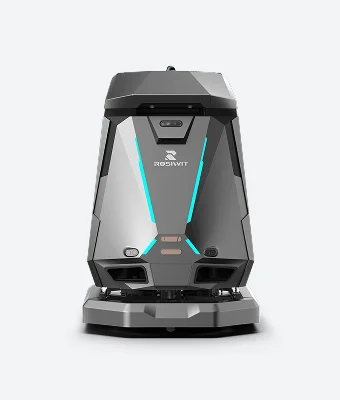
At Rosiwit, we develop intelligent cleaning solutions for industrial and commercial applications. Our products are designed for scenarios such as warehouses, manufacturing facilities, and transportation spaces. We focus on combining practical cleaning functions with technologies that support modern facility management.
Different cleaning methods can work for different locations. Automated robots may fit large spaces with repeated routes, while manually operated equipment can provide more flexibility in areas that require direct adjustments.
When companies plan cleaning solutions, they should consider floor type, cleaning frequency, available operators, and maintenance arrangements. These factors help determine which equipment type matches the actual working environment.
Innovative Structure Labor-Saving & Worry-Free
Equipment structure can influence daily operation and maintenance processes. A practical design can reduce unnecessary handling steps and make routine tasks easier for operators.
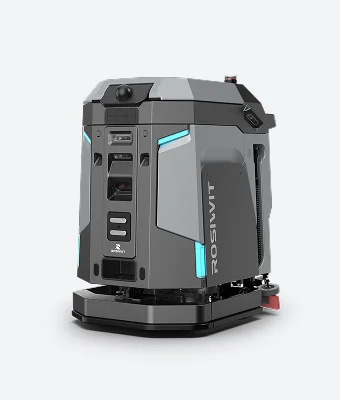
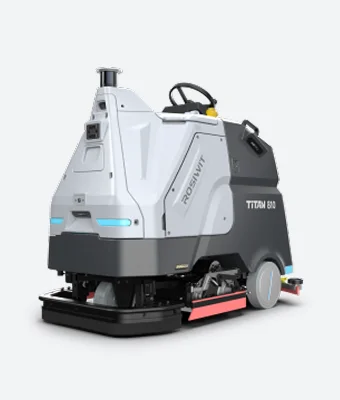
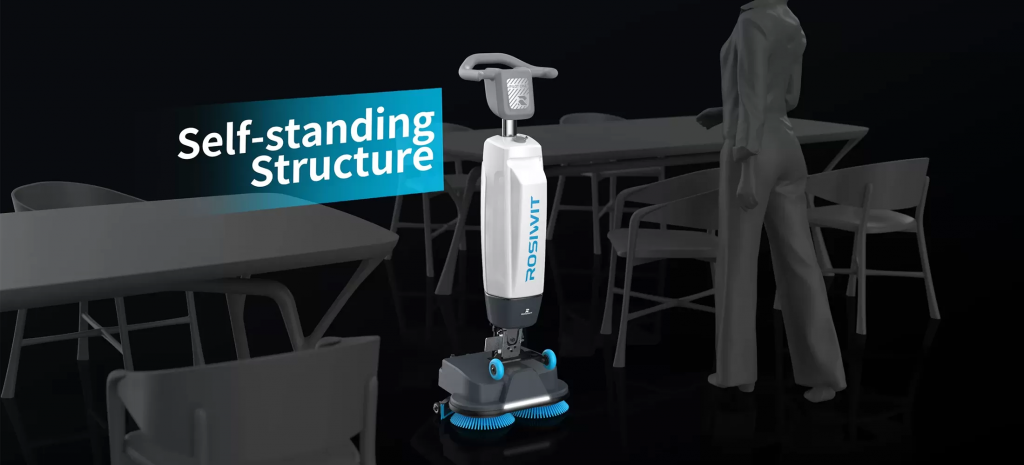
The walk behind floor scrubber uses a self-standing design, which allows the machine to remain upright during cleaning pauses and battery replacement. This structure can make routine operation and maintenance easier for users.
During daily use, operators may need to stop the machine for inspection, adjustment, or charging-related tasks. A stable standing structure can help manage these situations more easily.
Besides structural design, buyers should also review other details, including cleaning width, water management, battery conditions, and storage space. These elements can influence long-term usage experience.
How B2B Buyers Evaluate Cleaning Equipment
Purchasing decisions for commercial cleaning equipment usually involve several factors. Companies may review product functions, maintenance needs, supplier communication, and service arrangements before selecting equipment.
For traditional cleaning equipment distributors, product adaptability is an important consideration. They need solutions that can meet different customer requirements across industrial and commercial markets.
Facility managers and engineering teams may also evaluate how equipment fits existing operations. Cleaning schedules, workplace layouts, and operator experience can affect equipment performance in daily use.
We work with B2B customers who have different application backgrounds, including facility operators and partners with cleaning equipment experience. Understanding real working conditions helps us communicate suitable product information with customers.
Combining Practical Equipment with Future Cleaning Methods
Cleaning technology continues to develop, but different equipment types still have their own application value. Businesses should select solutions according to actual needs instead of focusing only on new features.
Some facilities may use automated cleaning systems for large areas while keeping manually operated machines for specific locations. This combination can help companies manage different cleaning requirements. It also allows operators to handle detailed cleaning tasks in areas with complex layouts or changing conditions.
A suitable cleaning plan should consider equipment operation, maintenance processes, and workplace conditions together. This approach helps businesses build a more practical cleaning workflow while improving daily task organization and resource planning.
Selecting Equipment for Long-Term Facility Management
The role of cleaning equipment is not only reflected in individual functions but also in how well it fits daily operation. By considering site conditions, maintenance requirements, and workflow arrangements, businesses can make more practical decisions for long-term cleaning management.
Rosiwit continues to explore intelligent cleaning solutions for industrial and commercial scenarios. We pay attention to customer applications and develop products that connect technology with practical cleaning requirements.
When businesses compare a walk behind floor cleaner, they can review factors such as operating methods, maintenance convenience, and application conditions. A clear selection process helps users choose equipment that supports stable cleaning routines and long-term facility management.