
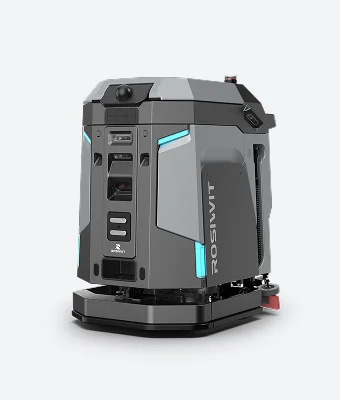

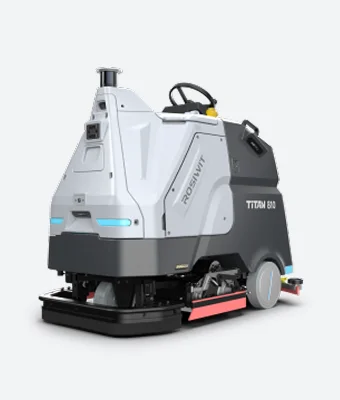
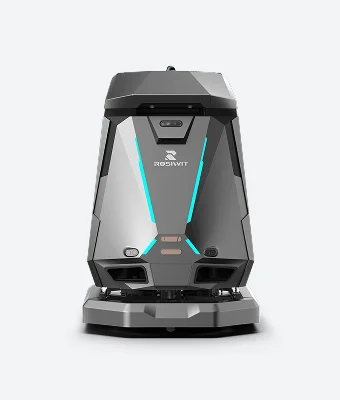
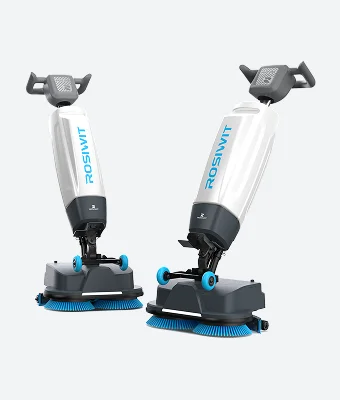
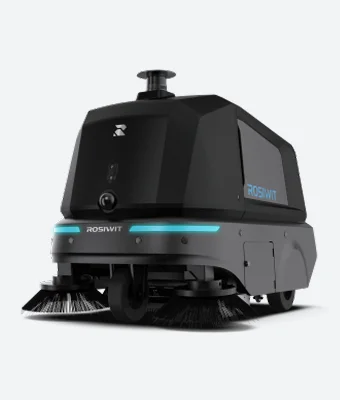

Large facilities still rely on mops, brushes, and manually operated machines for daily floor care. These tools are useful for small areas and spot cleaning, but they require repeated labor and close supervision when the cleaning area grows. In factories, warehouses, transport hubs, and large commercial spaces, an autonomous cleaning robot can take over repetitive floor-cleaning routes while staff handle tasks that need judgment or manual attention.
From our perspective, this change is mainly driven by scale and management needs rather than by the idea of removing people from cleaning work. When routes become longer and cleaning schedules become tighter, businesses need a practical way to divide repetitive floor coverage from tasks that still require workers.
Why Manual Cleaning Becomes Harder at Scale
Manual cleaning depends heavily on staff availability, working habits, and route planning. In a small area, this may not create much difficulty. In a large facility, however, missed sections, repeated passes, and uneven cleaning frequency can become common when workers cover long routes.
We also see labor scheduling become more complicated in busy sites. Cleaning teams may need to work around production shifts, warehouse traffic, or customer activity. If a worker is absent, managers may need to change the cleaning plan immediately. This makes daily floor care more difficult to standardize.
Manual tools also require physical effort. Long walking distances, repeated pushing, and frequent water changes can add to operator workload. For B2B users, these factors affect not only cleaning results but also staffing plans and daily operating costs.
Automation Changes How Cleaning Tasks Are Assigned
Automatic floor-cleaning equipment does not simply replace a mop with a machine. It changes how repetitive work is assigned. A planned route can be set for routine areas, while workers focus on corners, stairs, sudden spills, or spaces that need special handling.
Navigation systems also help equipment move through changing indoor environments. Sensors, mapping functions, and obstacle detection allow the machine to react to people, carts, shelves, or equipment within the working area. We consider these functions especially useful where cleaning must continue alongside normal site activity.
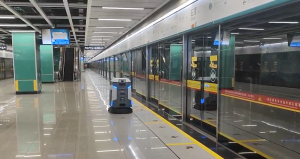
At Rosiwit, we work mainly with industrial and commercial cleaning scenarios. Our experience includes warehouses, production workshops, and rail transit environments, where cleaning routes often need to fit around ongoing operations rather than stop them.
Different Floor Surfaces Need Different Cleaning Settings
Facilities rarely have only one floor material. Tile may be used in public areas, epoxy in workshops, concrete in warehouses, and marble or terrazzo in entrances. Soil level also changes from one zone to another.
We therefore look at floor condition before discussing cleaning settings. Cleaning pressure and working parameters should match the surface and the type of dirt. Using the same setting everywhere may waste time or give uneven results in heavily soiled areas.
The Skywalker GT is designed for compatible indoor surfaces such as tile, terrazzo, marble, epoxy, and concrete. Its adjustable cleaning settings allow facilities to match scrubbing performance to different floor conditions and soil levels.
For sites with repeated routes, an autonomous cleaning robot can make these settings part of a planned cleaning process. This gives facility teams a clearer way to manage areas with different floor materials and daily cleaning requirements.
Managers Gain More Control Over Routine Work
One reason automatic equipment is replacing manual tools is that managers need clearer task visibility. Traditional cleaning often depends on verbal instructions, paper records, or direct supervision. These methods can work, but they become less practical across large sites.
An auto floor cleaning machine can help organize recurring tasks by route and time period. Facility teams can assign machines to defined zones and review whether routine areas have been covered as planned.
This does not remove the need for people. Staff are still needed to inspect results, handle special stains, maintain equipment, and respond to changes on site. The difference is that repetitive floor coverage can be handled in a more structured way.
Why B2B Buyers Look Beyond Cleaning Speed
Purchasing teams should not compare machines only by cleaning speed or size. Site layout, aisle width, floor material, traffic level, charging arrangement, maintenance access, and cleaning frequency all affect whether a machine fits the facility.
For distributors, service companies, and facility operators, technical support also matters. They need to understand how a machine will be deployed, maintained, and integrated into existing cleaning routines. We see this as a practical part of project evaluation rather than a separate purchasing issue.
Our company serves B2B customers, including facility users and cleaning-equipment distributors. Rosiwit focuses on robotic cleaning solutions for professional environments, so project discussions can start from site conditions, cleaning tasks, and equipment experience rather than from a generic product list.
A Practical Shift, Not a Complete Replacement
Automatic machines are replacing many manual floor-cleaning tasks because they can handle repetitive routes with less dependence on continuous manual operation. Manual tools still remain useful for narrow areas, stairs, edges, spot cleaning, and unexpected situations. For large facilities, we see more value in assigning each method to the work it handles well.
Routine floor coverage can be assigned to an auto floor cleaning machine, while workers deal with tasks that require flexibility and direct judgment. This shift is not simply about using newer equipment. It is about making daily cleaning easier to schedule, repeat, and manage across larger indoor spaces.