

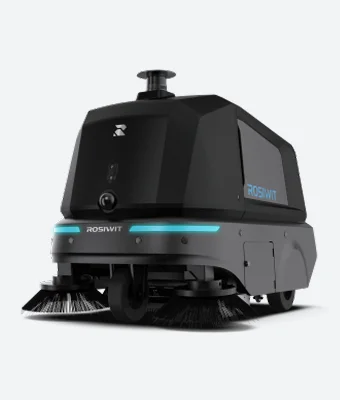

Floor materials directly affect cleaning methods, equipment selection, and daily maintenance plans. In factories, warehouses, transportation facilities, and commercial spaces, floors may include concrete, epoxy, tiles, stone, and other surfaces. Each material has different conditions, such as surface texture, dust accumulation, and cleaning frequency.
For B2B buyers, understanding floor compatibility is an important step before introducing automated equipment. A cleaning robot should match the working environment, floor condition, and operational requirements. This article explains common floor types and how businesses can evaluate cleaning solutions for different application scenarios.
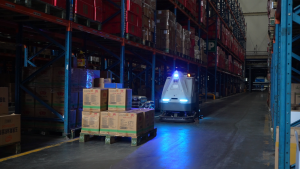
Hard Floor Applications in Industrial Facilities
Concrete floors are common in manufacturing workshops, warehouses, and logistics centers. They usually need regular cleaning because dust, small particles, and liquid residue can appear during daily operations. Large open areas also require equipment that can move steadily across wide spaces.
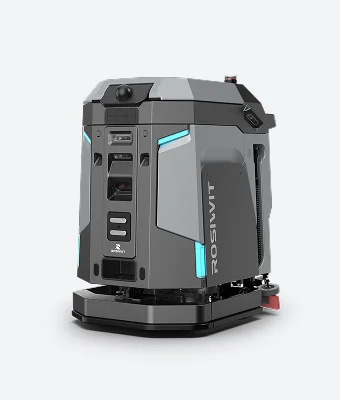
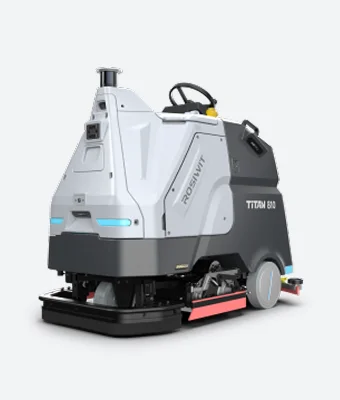
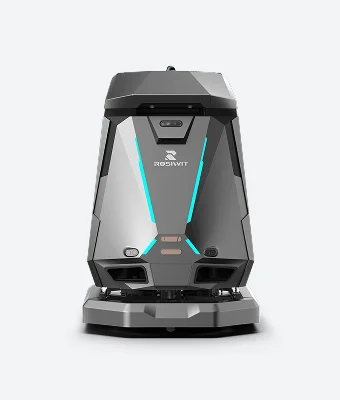
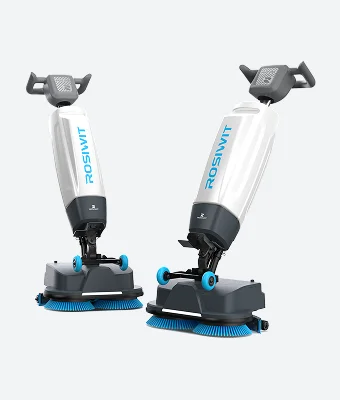
A robotic floor scrubber can be used for many hard floor environments because it combines cleaning functions with automated movement. However, companies should review factors such as floor condition, cleaning frequency, and traffic flow before selecting suitable equipment settings.
Epoxy floors are also widely used in industrial areas because they provide a smooth surface and are relatively easy to maintain. However, long-term use may affect surface conditions. Areas with frequent vehicle movement or heavy equipment operation may require different cleaning approaches compared with lighter-use spaces.
Polished concrete floors create another common application scenario. These surfaces often appear in facilities that require a clean and organized appearance. Cleaning equipment needs to balance effective dirt removal with suitable operating methods for the floor surface.
How Different Indoor Floors Affect Cleaning Methods
Tile floors are often found in offices, public facilities, commercial buildings, and some industrial environments. The gaps between tiles and changes in floor height can influence movement control. Equipment with accurate navigation can better handle areas with fixed structures and changing routes.
Carpeted areas require different cleaning considerations compared with hard surfaces. Dust collection ability, movement speed, and surface protection are important factors when companies evaluate automated cleaning options. The equipment should match the material instead of applying the same cleaning method everywhere.
Some facilities include multiple floor materials in one building. For example, a production area may use concrete while office sections use tiles or carpet. In these cases, buyers need to consider whether equipment functions can adapt to different zones.
At Rosiwit, we develop AI-powered cleaning solutions for industrial and commercial environments. Our solutions use 3D SLAM technology, multi-sensor fusion, and AI navigation to help robots understand surrounding conditions, create maps, and plan cleaning routes.
The Role of Navigation Technology in Complex Areas
Floor type is only one part of automated cleaning performance. Many facilities include workers, storage racks, production equipment, and temporary obstacles. A robot needs accurate positioning and route planning to operate in these changing environments.
The 3D SLAM technology used in our solutions combines sensor information with real-time AI acceleration. This design helps the system recognize environmental changes and adjust movement plans during operation. It also focuses on improving energy efficiency for longer cleaning tasks.
When evaluating automated equipment, businesses should also review maintenance requirements, management methods, and workflow integration. A suitable solution should fit the facility’s daily operation instead of working as an isolated device.
Factors That Influence Floor Cleaning Decisions
Different facilities have different cleaning priorities. A warehouse may focus on dust control and large-area coverage, while a commercial space may pay more attention to appearance and visitor movement. The same equipment configuration may not be suitable for every location.
Before selecting equipment, buyers can review several practical factors. These include floor materials, cleaning schedules, available space, obstacle conditions, and expected operation time. A detailed evaluation helps companies identify suitable functions and communicate requirements with equipment providers.
We focus on industrial scenarios such as warehouses, production workshops, and rail transit facilities. Our experience with these environments helps us understand the requirements of end users, cleaning service companies, and partners who provide intelligent equipment solutions.
How Automated Cleaning Supports Facility Management
Automation is changing the way companies organize cleaning tasks. Instead of relying only on manual arrangements, facilities can use intelligent equipment to complete repeated cleaning work based on planned routes and schedules.
A cleaning robot can become part of a wider facility management process. It can help operators manage large-area cleaning tasks and improve consistency in daily maintenance. For businesses with multiple locations, automated solutions can also make cleaning processes easier to organize.
For distributors and system partners, understanding customer application conditions is important. Different industries may require different recommendations based on floor materials, building layouts, and operational needs.
Building Suitable Cleaning Plans With Smart Technology
Floor conditions, facility layouts, and working patterns all influence equipment selection. Companies should review these factors together instead of focusing only on individual product functions. This approach helps businesses create practical cleaning plans for long-term operation.
Technologies such as 3D SLAM and AI navigation provide more options for complex environments. They allow cleaning equipment to better understand surroundings and complete planned tasks in changing spaces.
Rosiwit works with industrial and commercial partners to explore suitable cleaning solutions for different application scenarios. By combining automation technology with practical facility requirements, businesses can evaluate whether a robotic floor scrubber matches their cleaning needs and operational goals.