
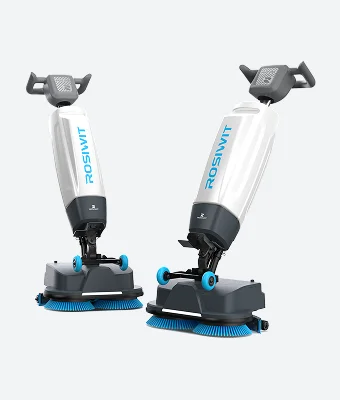

Keeping commercial and industrial floors clean requires more than choosing a machine with strong scrubbing performance. For businesses managing shopping malls, hospitals, factories, and transportation hubs, cleaning equipment must deliver consistent results while fitting daily operational requirements.
An automatic floor scrubber can help improve cleaning efficiency and reduce manual workload. However, with the development of autonomous technology, businesses now have more options than traditional operator-controlled machines. Understanding the differences in cleaning performance, navigation, maintenance, and operating costs is essential before making an investment.
Evaluate Your Facility’s Cleaning Requirements
The first step is understanding the actual cleaning demands of your facility. Different environments have different floor areas, traffic levels, contamination types, and cleaning schedules.
For example, shopping malls and hospitals require frequent cleaning while minimizing disruption to visitors and staff. Warehouses and factories may deal with dust, packaging debris, and persistent floor stains across large working areas.
Before purchasing an automatic floor scrubber, consider:
- Total floor area requiring regular cleaning.
- Floor materials and surface conditions.
- Daily pedestrian and vehicle traffic.
- Cleaning frequency and available operating hours.
- Areas with narrow passages or frequent obstacles.
These factors help determine the required working width, cleaning pressure, water capacity, and level of automation.
Understand the Benefits of an Autonomous Cleaning Robot
Traditional floor scrubbers generally require employees to operate the equipment throughout the cleaning process. While they remain practical for many applications, businesses with repetitive cleaning tasks may benefit from automation.
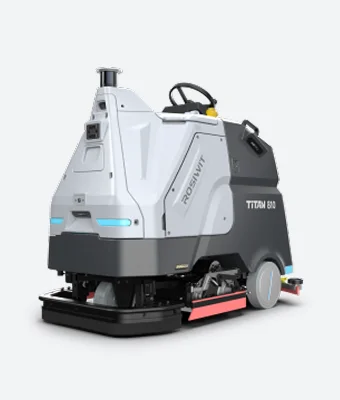
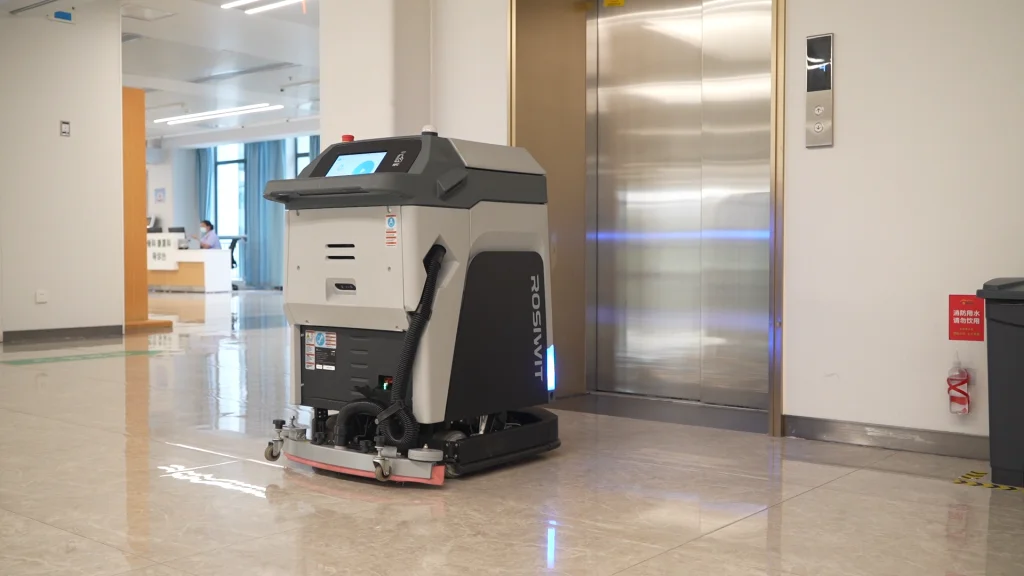
An autonomous cleaning robot can map its surroundings, plan cleaning routes, and navigate around obstacles with limited human intervention. This allows cleaning teams to spend less time controlling equipment and more time handling detailed cleaning and facility management responsibilities.
For large commercial facilities, automation can also support more consistent cleaning schedules. However, businesses should evaluate whether their floor layouts, traffic patterns, and operating procedures are suitable for autonomous deployment.
Check Navigation and Obstacle Avoidance Capabilities
Navigation is one of the most important features to evaluate when purchasing an autonomous machine.
Commercial environments are rarely static. Employees, visitors, carts, forklifts, and temporary obstacles may appear along cleaning routes. Equipment that cannot respond appropriately to these changes may experience interruptions or require frequent manual intervention.
A reliable autonomous cleaning robot should offer accurate positioning, route planning, and obstacle detection.
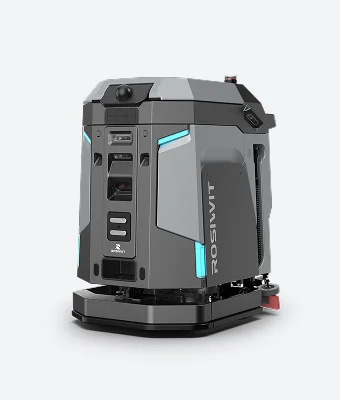
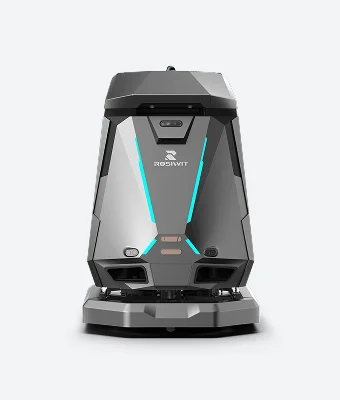
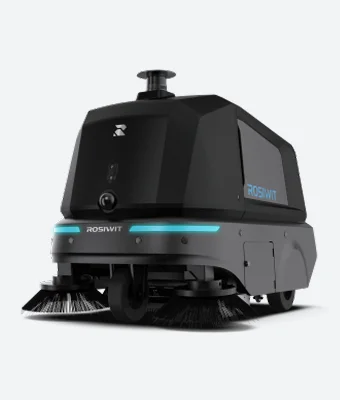
For example, Rosiwit’s Skywalker GT integrates 3D LiDAR, RGB-D vision, and ultrasonic sensing. These technologies help the machine identify suspended, low-lying, and moving obstacles. It also incorporates anti-drop protection, emergency stops, and safety bumpers.
Such capabilities are particularly relevant for hospitals, transportation hubs, and commercial buildings where safe navigation is essential.
Compare Cleaning Performance and Floor Compatibility
Automation alone does not guarantee effective cleaning. Businesses must also evaluate the machine’s ability to remove dirt and maintain consistent floor conditions.
Important specifications include brush pressure, working width, cleaning modes, and compatibility with different floor materials.
Rosiwit’s Skywalker GT provides 33 kg of brush pressure for consistent scrubbing and supports compatible surfaces such as tile, terrazzo, marble, epoxy, and concrete. Its adjustable cleaning settings allow facility operators to match cleaning intensity to different floor conditions and soil levels.
When comparing an automatic floor scrubber, buyers should also consider water recovery performance and the ability to minimize residual moisture. These factors are particularly important in high-traffic areas where wet floors can create safety concerns.
Consider Maintenance and Long-Term Operating Costs
The initial purchase price is only one part of equipment investment. Businesses should also consider maintenance requirements, replacement components, labor costs, and potential downtime.
A machine that is difficult to maintain may create additional pressure on facility management teams, especially when several units operate across different locations.
Before purchasing, check whether:
- Brushes and consumables are easy to replace.
- Water tanks and filters are accessible for cleaning.
- Routine inspections can be completed efficiently.
- Technical support and spare parts are available.
- Warranty coverage meets operational requirements.
The Skywalker GT features a 5-in-1 intelligent docking station designed to support automated operation. Its core components can be replaced in approximately 10 minutes, while consumables can be replaced in around 10 seconds, according to Rosiwit’s product information.
It also comes with a two-year warranty, supporting long-term equipment planning.
Evaluate Deployment and After-Sales Support
Purchasing an autonomous cleaning machine involves more than receiving the equipment. Businesses should also consider installation, environment mapping, route configuration, operator training, and ongoing technical support.
At Rosiwit, we develop intelligent cleaning solutions for commercial and industrial environments. Here are six important factors businesses should consider when selecting cleaning equipment.
A suitable supplier should understand the facility’s operational requirements and provide practical assistance during deployment.
At Rosiwit, we focus on delivering complete intelligent cleaning solutions rather than simply supplying standalone machines. Our approach combines navigation technology, cleaning performance, deployment support, and responsive overseas after-sales service.
This is particularly important for international businesses and distributors that need reliable technical assistance throughout the equipment’s operating life.
Conclusion
Choosing an automatic floor scrubber requires careful consideration of cleaning requirements, navigation capabilities, floor compatibility, maintenance, and long-term operating costs. For facilities with repetitive cleaning demands and complex environments, an autonomous cleaning robot can offer additional operational flexibility.
At Rosiwit, we combine intelligent navigation, reliable cleaning performance, and practical service support to help businesses improve commercial cleaning operations. By evaluating actual facility needs before purchasing, businesses can select equipment that delivers consistent results and supports long-term efficiency.