


Managing a shopping mall involves many operational details, and floor maintenance is one part that requires continuous attention. Large indoor spaces usually include different traffic areas, from entrances and corridors to food courts and service zones. We understand that facility teams need cleaning methods that can match daily operation schedules while maintaining a suitable environment for visitors.
With the development of automation technology, robotic cleaning equipment has become an option for businesses that want to improve cleaning workflows. This article explains how commercial cleaning solutions can be applied in shopping malls and what factors buyers should consider before introducing robotic equipment.
Why Shopping Malls Need Smarter Cleaning Methods
Shopping malls face changing cleaning requirements throughout the day. Entrance areas may experience heavy foot traffic, while retail corridors and public spaces require regular maintenance to keep floors in proper condition. Different areas also create different cleaning challenges based on visitor activity and floor materials.
Traditional cleaning equipment continues to be used in many facilities, but large spaces may require more organized task planning. Robotic cleaning equipment can complete repeated cleaning routes according to preset plans, allowing cleaning teams to focus on inspection, maintenance, and other tasks.
For facility managers, the value of automation is not only related to cleaning speed. It is also connected with workflow management, staff coordination, and the ability to arrange cleaning tasks based on actual site conditions.
Key Benefits of Automated Cleaning Equipment
One important advantage of robotic cleaning systems is reducing repetitive manual work. In shopping malls with wide floor areas, daily cleaning can involve many repeated movements. Automated equipment can handle planned cleaning routes and help teams manage routine floor care more efficiently.
Another benefit is stable operation. A suitable system can use navigation technology to identify routes and avoid common obstacles in indoor environments. This feature is useful in shopping malls where people, displays, and temporary arrangements may affect cleaning paths.
When selecting a commercial cleaning robot, buyers should review several aspects, including cleaning performance, navigation functions, charging requirements, maintenance plans, and compatibility with the facility layout. For facilities that require regular floor maintenance across large indoor areas, a commercial robot floor cleaner can provide another option for improving cleaning workflows. These factors help businesses choose equipment that fits their operating needs.
Suitable Applications Inside Shopping Malls
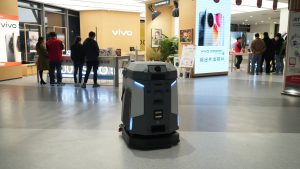
Shopping malls provide different application scenarios for robotic cleaning solutions. Large walkways and open atriums are common areas where automated equipment can perform scheduled cleaning tasks. These spaces usually have enough room for planned routes and continuous operation. A commercial cleaning robot can support routine maintenance in these public areas while reducing the need for repeated manual tasks.
Food courts are another area that requires frequent attention. Food particles, liquid spills, and high visitor movement can increase floor maintenance needs. Robotic cleaners designed for indoor environments can assist with regular cleaning tasks and support facility teams in managing daily operations.
Back-of-house areas, service corridors, and parking connections also require proper maintenance. Although these areas may not receive direct visitor attention, they influence overall facility management and daily operation quality. Equipment such as a commercial cleaning robot can help cleaning teams organize tasks across different areas of a shopping mall.
Product Design for Indoor Facility Requirements
We develop robotic cleaning solutions for industrial and commercial environments where practical operation requirements are important. Our solutions are used in areas such as production facilities, warehouse logistics, and transportation environments, where cleaning efficiency and workflow coordination are key considerations.
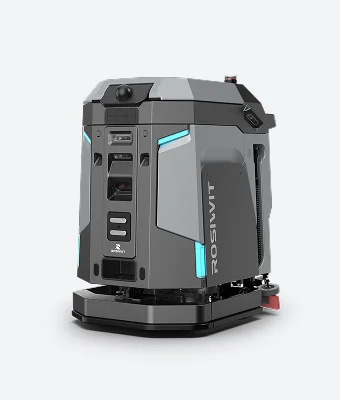
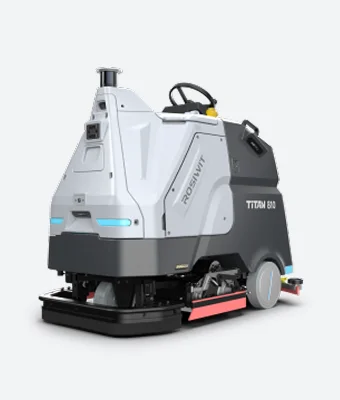
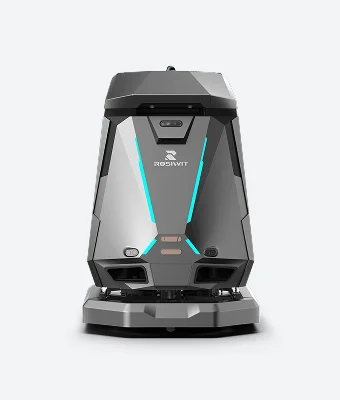
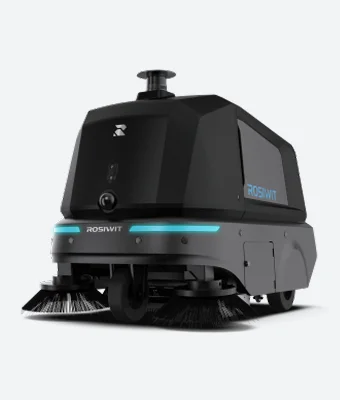
Rosiwit focuses on intelligent cleaning robot development and considers different requirements from industrial and commercial environments. The Skywalker 50 is one option designed for indoor cleaning scenarios, combining sweeping and scrubbing functions with navigation features and charging management.
The product design considers common requirements in indoor environments, including route planning, cleaning schedules, and space utilization. This allows facility teams and service partners to evaluate robotic solutions based on actual working conditions instead of only equipment specifications.
Considerations Before Introducing Robotic Cleaners
Before adding robotic cleaning equipment, businesses should first review the facility environment. Floor size, passage width, visitor movement, and cleaning frequency can influence equipment selection and daily operation planning.
Maintenance arrangements are also important. Operators should understand charging locations, routine care requirements, and staff coordination methods. A clear management plan helps connect robotic equipment with existing cleaning processes.
For distributors and cleaning service providers, application flexibility is another factor worth considering. A suitable commercial robot floor cleaner can provide additional options when serving different indoor facilities, especially for customers who are looking to combine traditional cleaning experience with automation technology.
Creating More Flexible Mall Maintenance Plans
Automation is changing the way shopping malls approach daily cleaning management. Robotic solutions are not designed to replace every cleaning task. Instead, they provide another approach for handling repeated floor maintenance work and improving overall workflow organization.
Based on these application requirements, Rosiwit continues to develop cleaning solutions for industrial and commercial environments. We work with business partners to understand project conditions and evaluate suitable equipment configurations for different sites.
The future of mall maintenance will depend on how businesses combine technology with practical management methods. By evaluating cleaning areas, operation requirements, and equipment functions, facility teams can build more flexible maintenance plans. A suitable commercial robot floor cleaner can become part of this process by supporting regular cleaning tasks and helping businesses manage indoor spaces more effectively.