
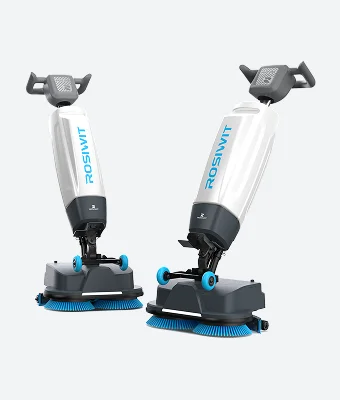

Large industrial facilities face different cleaning challenges every day. Dust, floor materials, vehicle movement, and production activities can all affect cleaning efficiency. For facility managers, selecting suitable equipment requires more than checking basic functions. A proper evaluation should include cleaning capacity, navigation ability, maintenance requirements, and how the machine fits into daily operations.
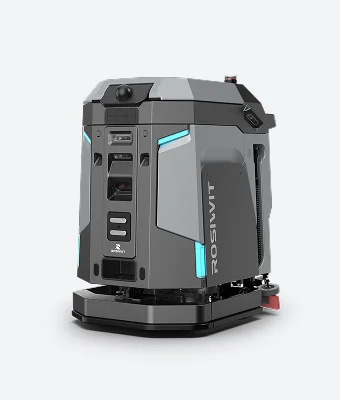
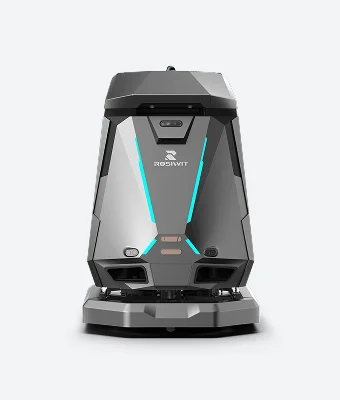
When businesses consider automation for large areas, an industrial cleaning robot can become part of a structured cleaning plan. This guide explains the main factors that facility managers should review before introducing robotic cleaning equipment into factories, warehouses, and other industrial environments.
Facility Requirements That Shape Equipment Selection
The first step is understanding the working environment. Different facilities have different floor conditions and cleaning schedules. Warehouses may need equipment that can handle long routes, while production areas may require more frequent cleaning due to dust or material residues.
Space layout is another important consideration. Shelves, machines, vehicles, and pedestrian areas can affect robot movement. Facility managers should review whether the equipment can navigate around obstacles and operate safely in areas with regular human activity.
Cleaning tasks should also be clearly defined before selection. Some locations focus on daily floor maintenance, while others need deeper cleaning for high-traffic areas. A suitable solution should match the actual workload instead of relying only on equipment size or appearance.
For companies looking into automation, we suggest evaluating the complete cleaning process. Route planning, water management, charging methods, and daily operation requirements all influence long-term use.
The Role of Navigation Technology in Modern Cleaning Operations
Modern cleaning robots rely on sensors and intelligent navigation systems to complete tasks in changing environments. Industrial sites often include moving workers, equipment, and temporary obstacles, so the robot needs to understand its surroundings during operation.
Navigation functions such as mapping, path planning, and obstacle detection help create more organized cleaning routes. These technologies allow operators to reduce repeated manual adjustments and manage cleaning tasks with clearer planning.
The working conditions of factories and logistics centers can change frequently. For this reason, we develop solutions that consider practical industrial applications, including warehouses, production workshops, and transportation facilities. Our focus is not only the robot itself but also how it works within real cleaning workflows.
When selecting an industrial cleaning robot, facility managers should review whether its navigation functions match the complexity of the working environment. A suitable system should help improve cleaning arrangements while adapting to different site conditions.
Why Heavy-Duty Sites Need Suitable Cleaning Functions
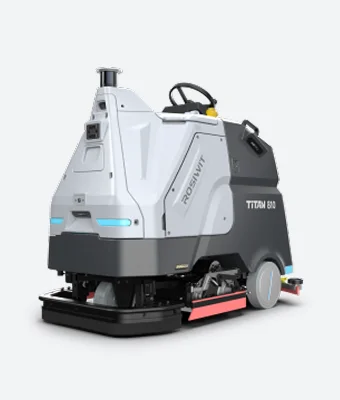
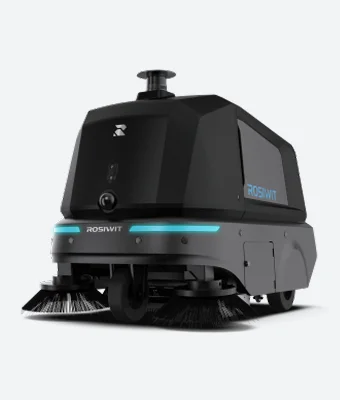
Large industrial areas usually require stronger cleaning performance because floors may collect dust, stains, and other residues. The Titan 810 is designed with an integrated sweeping and scrubbing system, large tank capacity, and a smart 5-in-1 workstation for heavy-duty cleaning applications.
The machine provides a working width of 810mm and a cleaning efficiency of up to 5,200㎡/h. It includes a 150L clean water tank and a 190L recovery water tank, which helps reduce frequent water replacement during larger cleaning tasks.
The Titan 810 also supports a maximum downward pressure of 115kg and an operating time of around 6.5 hours. These specifications make it suitable for environments such as factories, logistics centers, and other large indoor areas that require regular floor maintenance.
For facility managers, an industrial robot floor cleaner should be evaluated based on actual cleaning conditions. Factors such as working width, runtime, tank capacity, and floor compatibility all influence the daily operation experience.
Digital Tools for Better Cleaning Management
Automation does not end after the robot starts working. Facility teams also need clear ways to review cleaning progress and equipment conditions. Digital management functions can help managers understand task status and adjust schedules based on operational needs.
Data visibility is useful for companies managing multiple areas or facilities. Instead of checking every cleaning process manually, managers can use system information to review equipment operation and improve planning.
At Rosiwit, we provide robotic cleaning solutions for B2B customers, including industrial operators, cleaning service companies, and technology partners. We combine product development with application understanding to help customers evaluate suitable solutions for different working environments.
For traditional cleaning equipment distributors and automation solution providers, robotic products also create new opportunities. Understanding customer requirements, application scenarios, and technical features can help partners develop more suitable service models.
Making Smarter Decisions for Facility Cleaning Automation
Choosing an automated cleaning solution requires a balance between technology and actual operation needs. Facility managers should review floor conditions, cleaning frequency, available space, and maintenance plans before making decisions.
A suitable industrial robot floor cleaner should support daily workflows rather than simply provide automated movement. Equipment performance, user requirements, and site conditions need to work together to create a practical cleaning process.
We continue to improve our robotic cleaning solutions based on different industrial applications. With suitable planning and clear evaluation, automated cleaning equipment can become a useful part of modern facility management.
At Rosiwit, we focus on developing robotic cleaning solutions for industrial and commercial environments. Companies can discuss their facility conditions and cleaning requirements with our team to explore suitable approaches.
The right selection process helps businesses understand what functions matter for their own environments. By focusing on real operating conditions, companies can build more organized cleaning management systems and make better decisions when introducing automated cleaning equipment.