

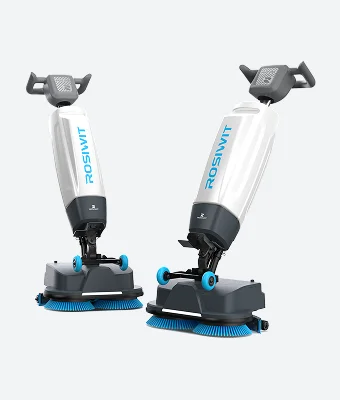
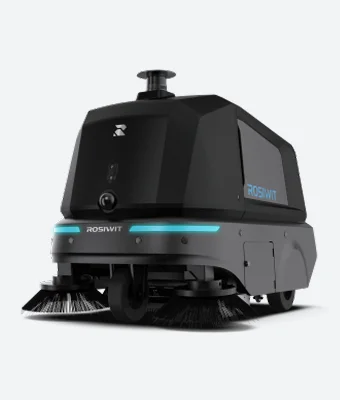

A walk behind floor scrubber machine is essential for maintaining clean and safe floors in commercial and industrial facilities. From shopping malls and office buildings to factories and warehouses, these machines help remove dirt, scrub floor surfaces, and recover wastewater efficiently. However, regular maintenance is necessary to preserve cleaning performance, reduce equipment downtime, and extend service life.
For facility managers and cleaning service providers, maintaining equipment is an important part of controlling operational costs. Here are several practical ways to keep a floor scrubber in good condition.
Clean the Water Tanks After Every Use
Most floor scrubbers have separate solution and recovery tanks. The solution tank stores clean water and detergent, while the recovery tank collects dirty water during operation.
After each cleaning session, operators should empty the recovery tank, rinse away dirt and detergent residue, and clean accessible filters. The solution tank should also be rinsed when necessary to prevent residue buildup.
Neglecting tank cleaning can cause unpleasant odors, blockages, and reduced cleaning efficiency. For facilities operating multiple shifts, establishing a cleaning routine helps ensure that equipment is ready for its next use.
Inspect Brushes and Pads Regularly
Brushes and pads directly affect the cleaning performance of a walk behind floor scrubber. During daily operation, they collect dust, hair, and other debris that can interfere with effective scrubbing.
Operators should remove accumulated dirt after use and inspect brushes and pads for uneven wear, deformation, or damage. Replace worn components when they can no longer deliver satisfactory results.
Choosing suitable brushes and pads is equally important. Different floor materials may require different cleaning accessories. Using the correct components helps maintain cleaning quality while preventing unnecessary wear.
Maintain the Squeegee for Effective Water Recovery
The squeegee collects wastewater and directs it into the recovery system. If its rubber blades become damaged or dirty, the machine may leave water streaks or wet patches behind.
To maintain effective water recovery:
- Wipe the squeegee blades after each cleaning session.
- Remove debris trapped around the assembly.
- Check rubber blades for cracks and uneven wear.
- Inspect suction hoses for blockages or loose connections.
- Replace damaged blades when necessary.
This maintenance is particularly important in shopping malls, offices, and other high-traffic environments, where wet floors can create safety risks and interrupt daily activities.
Check the Battery and Charging System
Battery condition directly affects operating time and equipment availability. Improper charging, poor storage conditions, and neglected connections can reduce battery performance.
Operators should follow the manufacturer’s charging instructions and use the designated charger. Charging cables and accessible connections should be inspected regularly for visible damage.
Maintenance requirements also depend on battery type. Flooded lead-acid batteries, for example, require electrolyte-level checks, while sealed batteries follow different procedures. Always refer to the equipment manual for the correct maintenance requirements.
Inspect Filters, Hoses, and Other Components
Filters and hoses support water delivery and wastewater recovery. When they become clogged or damaged, suction performance and cleaning consistency may decline.
During routine inspections, operators should clean accessible filters, check hoses for blockages, and inspect visible connections for leaks. Wheels, handles, switches, and other frequently used components should also be checked.
Identifying small problems early can prevent more serious equipment failures. Electrical and mechanical repairs should be handled by qualified technicians to ensure safe operation.
Establish a Preventive Maintenance Schedule
Daily cleaning is important, but businesses also need a preventive maintenance plan. A consistent schedule helps facility managers monitor equipment condition and reduce unexpected downtime.
A practical maintenance framework includes:
- Daily: Empty and clean tanks, inspect brushes and squeegees, and charge the battery as required.
- Weekly: Check filters, hoses, connections, and frequently used components.
- Monthly: Review overall equipment condition, assess component wear, and arrange professional servicing when necessary.
For businesses operating several machines, maintenance records can also help track recurring issues, replacement cycles, and service requirements.
Select Equipment That Supports Efficient Maintenance
Maintenance requirements should be considered when purchasing a walk behind floor scrubber machine. Businesses should evaluate not only cleaning performance but also equipment size, operating time, ease of handling, and suitability for their facilities.
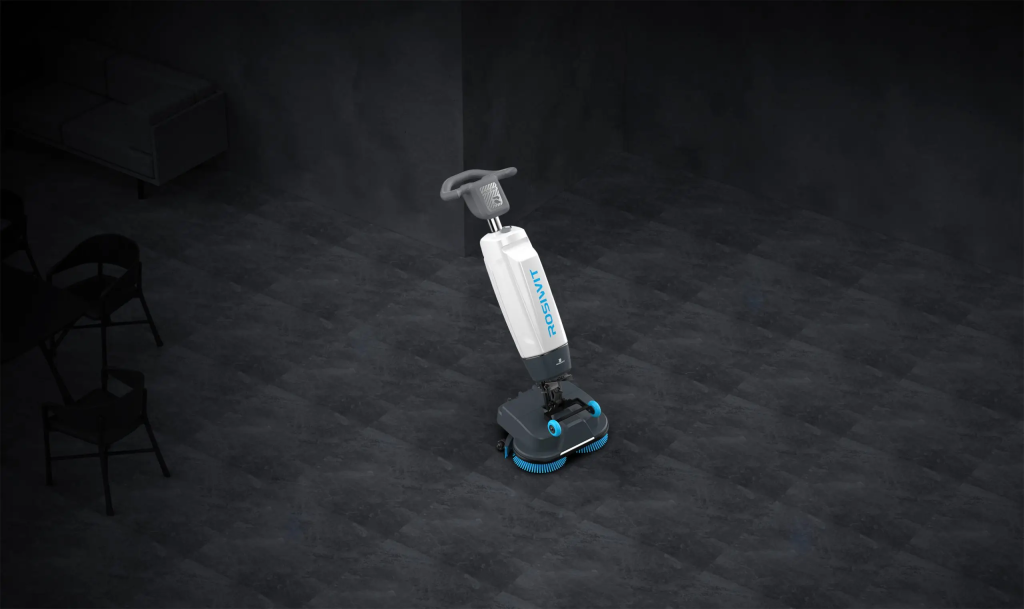
At Rosiwit, our Pilot One NEO is designed for compact indoor cleaning applications. According to its official product specifications, it provides a 90-minute runtime, cleaning efficiency of up to 1,200 m²/h, dual 5L + 5L water tanks, an 18 kg lightweight design, and double brushes operating at 300 RPM.
These features make it suitable for indoor hard-floor environments such as restaurants, restrooms, food markets, and gyms. Its compact structure and lightweight design also support maneuverability in relatively confined spaces.
Selecting suitable equipment and following regular maintenance procedures can help businesses maintain consistent cleaning results while managing long-term operating costs.
Conclusion
Maintaining a walk behind floor scrubber requires regular tank cleaning, brush and squeegee inspections, battery care, and preventive servicing. These practices help preserve cleaning efficiency, minimize avoidable downtime, and extend equipment service life.
At Rosiwit, we provide intelligent cleaning solutions for commercial and industrial applications. We believe that reliable equipment, proper maintenance, and responsive after-sales support are essential to keeping professional cleaning operations running efficiently.