

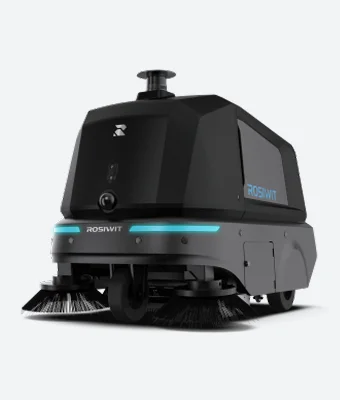

Facility cleaning teams need equipment that fits their working environment, floor conditions, and daily schedules. For factories, warehouses, retail spaces, and transportation areas, cleaning tasks often involve large surfaces, frequent movement, and different types of obstacles. A suitable walk behind floor scrubber can help operators manage routine floor care with better flexibility while keeping the cleaning process more organized.
Facility Cleaning Requirements Before Equipment Selection
Different facilities face different cleaning conditions. Production areas may collect dust, residue, or other materials during daily operations. Warehouses usually need regular cleaning for storage areas and transportation paths. Public spaces may require equipment that can move smoothly around visitors and fixed facilities.
Before selecting cleaning equipment, teams should review several factors. These include floor materials, cleaning frequency, available storage space, and operator experience. A clear understanding of these conditions helps companies compare equipment functions with their actual requirements.
The size and layout of the facility also influence equipment selection. Large open areas may require machines with suitable working capacity, while narrow spaces need flexible movement. Cleaning teams should consider how the equipment will move through different areas during daily operation.
Important Features That Affect Daily Cleaning Performance
A walk behind auto scrubber usually combines several cleaning steps, including brushing, water distribution, and water recovery. When reviewing equipment, buyers can focus on practical features such as brush design, battery structure, water management, and control methods.
Simple operation is important for teams with multiple operators. Equipment with clear controls can reduce the time needed for training and help workers understand daily procedures more easily.
Maintenance is another point that should not be ignored. Regular checks of brushes, batteries, and water systems can help teams plan cleaning schedules and reduce unexpected interruptions during operation.
How Smart Manual Scrubbers Support Practical Cleaning
Cleaning automation has developed with more intelligent functions, but operator guidance remains useful in many facilities. Some areas have changing layouts, temporary obstacles, or different cleaning requirements throughout the day. Equipment that combines easy operation with flexible movement can better match these conditions.
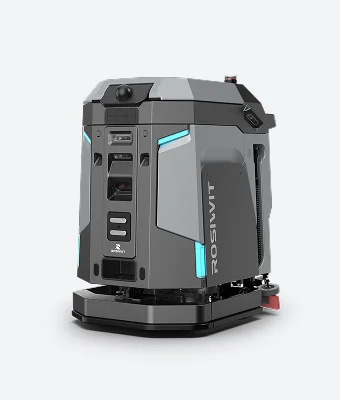
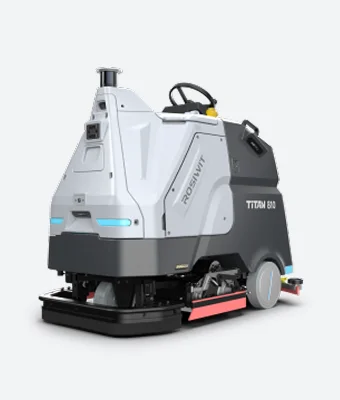
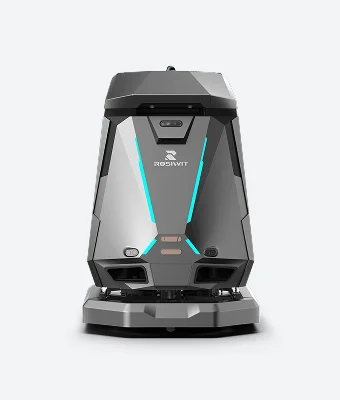
At Rosiwit, we develop intelligent cleaning solutions for industrial and commercial environments. Our products are designed for application areas such as warehouses, production facilities, and transportation spaces. We focus on combining equipment design with practical cleaning needs from different B2B customers.
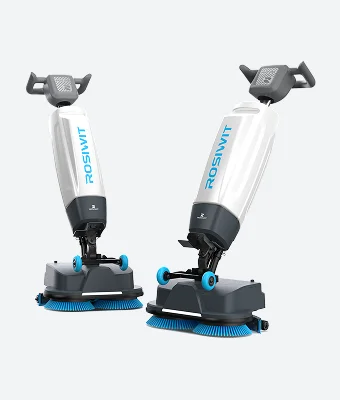
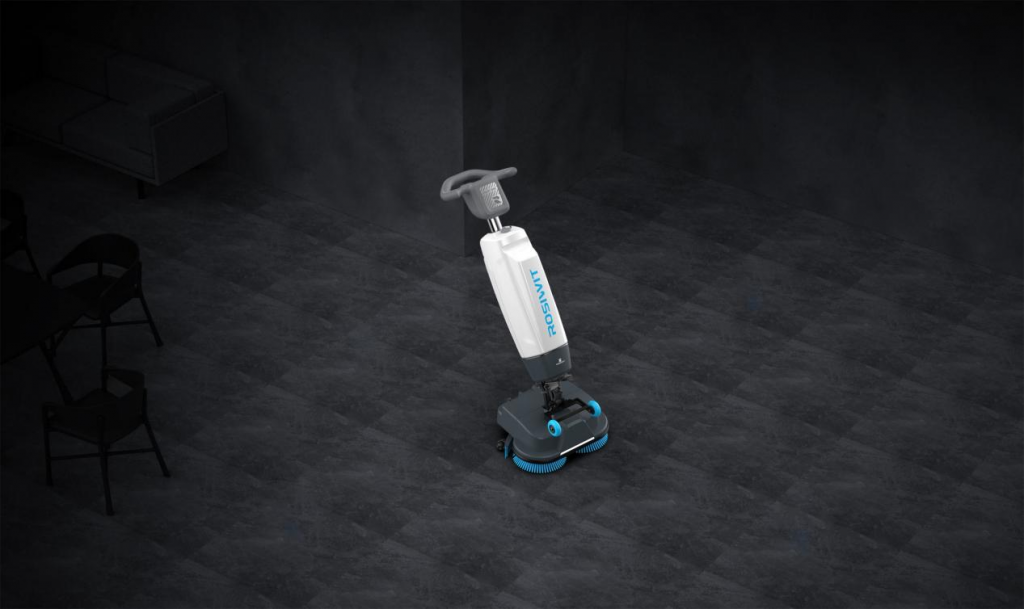
The Smart manual scrubber provides a compact option for daily floor maintenance. Pilot One NEO is an operator-guided electric walk behind floor scrubber for compact, high-traffic spaces. Its lightweight design, dual brushes, replaceable battery, and 360° maneuverability simplify cleaning around obstacles.
Equipment Application and Maintenance Factors
The same cleaning equipment may perform differently depending on the application. A manufacturing facility may need regular cleaning around production areas, while a retail environment may pay more attention to noise, movement, and customer circulation.
For warehouses and logistics spaces, cleaning routes are often related to storage layouts and transportation paths. Operators need equipment that can work around shelves, corners, and frequently used areas.
When evaluating a walk behind floor scrubber, buyers should also consider how the machine fits into existing cleaning processes. Factors such as operator workload, maintenance plans, and replacement requirements can influence long-term use.
Selection Factors for Cleaning Equipment Buyers and Partners
B2B buyers usually need to evaluate more than product appearance. Facility managers may review cleaning results, operation methods, and maintenance needs. Cleaning service companies may focus on equipment flexibility and customer application requirements.
For traditional cleaning equipment distributors and smart equipment partners, understanding end-user needs is also important. Different industries may require different product recommendations, technical communication, and service arrangements. When evaluating a walk behind floor scrubber machine, distributors can also review application conditions, maintenance requirements, and customer usage habits to provide more suitable equipment choices.
A practical evaluation process can include questions about floor area, cleaning frequency, working conditions, and available operators. These details help businesses select equipment based on real usage instead of choosing only by basic specifications.
Ways to Improve Facility Cleaning Workflow
A good cleaning plan depends on the connection between equipment, operators, and facility conditions. The right machine can help teams arrange daily tasks more clearly and improve the management of cleaning operations.
Companies should consider both current needs and future changes before making a decision. Facility layouts may change, cleaning requirements may increase, and equipment usage patterns may develop over time.
For teams comparing a walk behind floor scrubber machine, reviewing cleaning functions together with operation methods can provide a clearer evaluation process. A suitable solution should match the working environment and support regular cleaning tasks.
Future Cleaning Needs and Equipment Planning
Facility cleaning is not only about removing dirt from floors. It also involves planning routes, managing equipment use, and maintaining stable daily processes. A suitable cleaning approach can help operators handle different scenarios with more confidence.
At Rosiwit, we continue to develop cleaning equipment based on practical application needs. By combining product design with customer requirements, we help businesses review different options for industrial and commercial cleaning projects.
A careful equipment selection process allows companies to balance cleaning requirements, operation methods, and maintenance plans. When teams understand their working environment clearly, they can build cleaning workflows that are easier to manage and adjust over time.