
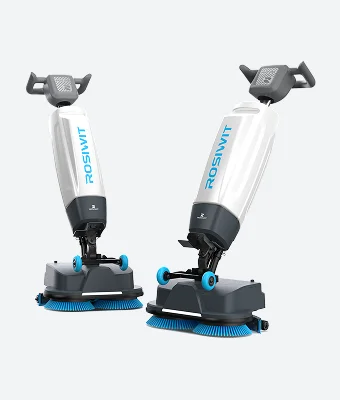

Offices, malls, and schools have different cleaning schedules, floor layouts, and daily activities. These differences affect how facility managers select cleaning equipment and arrange maintenance plans. For many large spaces, an automatic floor scrubber can become part of a structured cleaning process by helping teams handle repeated floor care tasks with more organized workflows and reducing the pressure on manual cleaning teams during regular maintenance periods.
Cleaning is not only about removing dust or stains. Public and commercial spaces also need solutions that consider people movement, safety requirements, and operation timing. Understanding the application environment is an important step before introducing automated cleaning equipment, especially when facilities need to balance cleaning quality with daily operations.
Different Spaces Create Different Cleaning Requirements
Office buildings usually include workstations, meeting rooms, corridors, and shared areas. Cleaning equipment needs to move around desks, chairs, and other objects while reducing disruption to employees. Many office operators schedule cleaning during early mornings, evenings, or less busy periods.
In these environments, navigation capability becomes an important consideration. Equipment should recognize different areas and follow suitable routes instead of relying only on manual guidance. This helps cleaning teams manage routine tasks more efficiently.
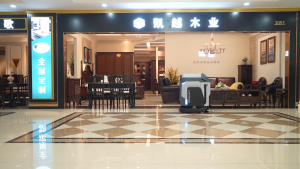
Malls have larger public areas with changing visitor flows. Entrance zones, shopping corridors, and open spaces may require frequent cleaning because people continue moving through these areas throughout the day. Equipment used in malls should adapt to changing surroundings and maintain safe operation.
Schools also have unique cleaning needs. Classrooms, hallways, libraries, and activity areas may have different layouts and usage schedules. Cleaning plans need to consider class arrangements, furniture placement, and student movement to avoid affecting normal activities.
How Intelligent Navigation Supports Cleaning Tasks
Modern cleaning solutions combine mechanical functions with sensing and software technologies. These systems allow equipment to collect environmental information, create working routes, and respond to obstacles during operation.
For facilities with complex layouts, an autonomous cleaning robot can help organize repeated cleaning tasks through automated navigation. Instead of depending completely on manual control, the equipment can follow planned paths and adjust movement according to surrounding conditions.
At Rosiwit, we develop intelligent cleaning solutions for industrial and commercial environments. Our experience focuses on application scenarios such as factories, logistics areas, and public facilities where cleaning processes require practical automation methods.
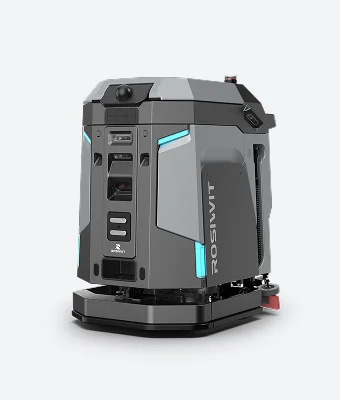
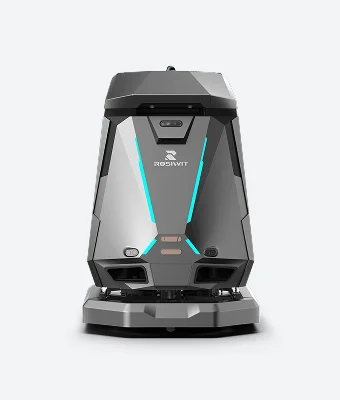
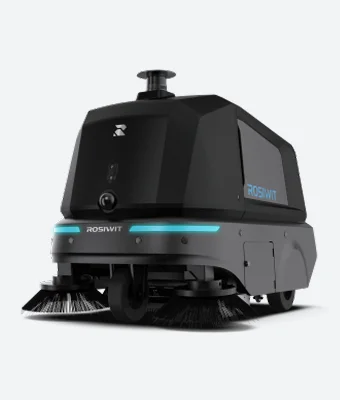
The Skywalker GT applies AI-integrated perception technology. Through the integration of 3D LiDAR, RGB-D vision, and ultrasonic sensing, the system can identify suspended, low-lying, and moving obstacles. It also includes precise positioning, path planning, obstacle avoidance, anti-drop protection, emergency stops, and safety bumpers.
These technologies help the equipment operate in environments where people and machines share the same space. For example, offices may have temporary changes caused by furniture movement, while malls and schools often experience regular pedestrian activity.
Factors to Consider Before Choosing Cleaning Equipment
A suitable cleaning solution should match the actual conditions of the facility. Area size, floor materials, cleaning frequency, and available operation time are important points for evaluation.
Large facilities may need equipment that can handle wider areas and repeated cleaning schedules. Smaller locations may pay more attention to flexible movement, simple management, and easy integration into existing routines.
Facility managers should also consider maintenance requirements. Water handling, charging arrangements, equipment inspection, and operator training can influence daily operation after installation.
Another important factor is the connection between equipment and cleaning workflow. Automated machines work more effectively when businesses define clear cleaning routes and management procedures. A good plan combines technology with practical operation methods.
Applying Robotic Cleaning Solutions in Commercial Environments
Automated cleaning equipment is becoming an option for businesses that want to improve facility management methods. However, different industries may have different expectations based on their working conditions.
For shopping centers, cleaning solutions need to consider public safety and continuous visitor movement. For schools, equipment should fit around scheduled activities. For offices, quiet operation and route flexibility may receive more attention.
Our Skywalker GT is designed for commercial cleaning scenarios that require environmental recognition and intelligent route management. By combining robotic hardware and software functions, we provide solutions that can be considered by facility operators, cleaning service companies, and technology partners.
We also work with B2B customers who have experience in traditional cleaning equipment or smart device distribution. During communication, we focus on understanding application conditions, project requirements, and operational goals before discussing suitable equipment options.
Developing More Organized Cleaning Strategies
Automated cleaning is changing how businesses think about daily maintenance. Instead of viewing cleaning as a simple manual task, many facilities now consider how equipment, data, and management processes can work together.
Offices, malls, and schools each require different approaches. The right choice depends on space structure, user activity, cleaning expectations, and long-term management plans.
With intelligent sensing, navigation, and automated operation, an autonomous cleaning robot can become part of a practical cleaning strategy. Rosiwit focuses on developing cleaning solutions for commercial environments, helping businesses explore how automation can support daily facility management. When comparing an automatic floor scrubber solution, companies can review their own facility conditions and select equipment that fits their operational needs.