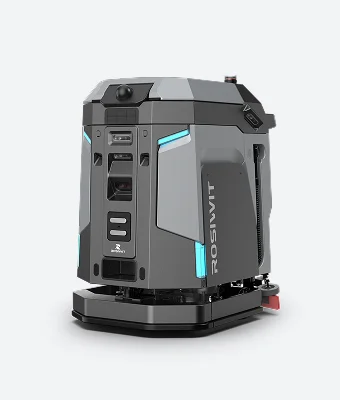

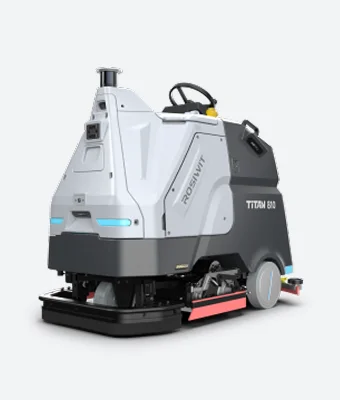
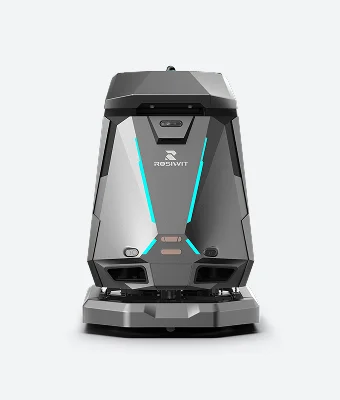
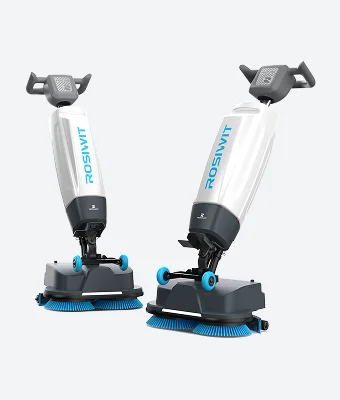
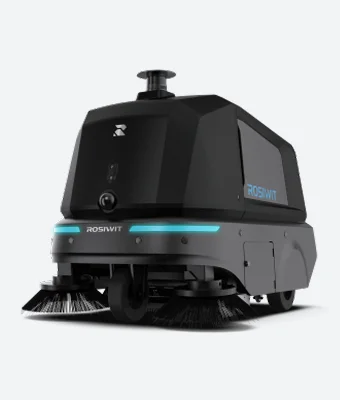

Investigating modern floor maintenance equipment involves assessing acoustic emissions, battery runtimes, and navigation accuracy across busy facilities. Facility directors who replace manual mop buckets with an automatic floor scrubber often notice immediate gains in operational consistency.
Selecting appropriate machinery requires balancing mechanical specifications against specific site layouts. This framework shifts the procurement conversation from product features to total cost of ownership, supplier qualification, and contract risk mitigation—the three pillars that determine long-term value for commercial buyers.
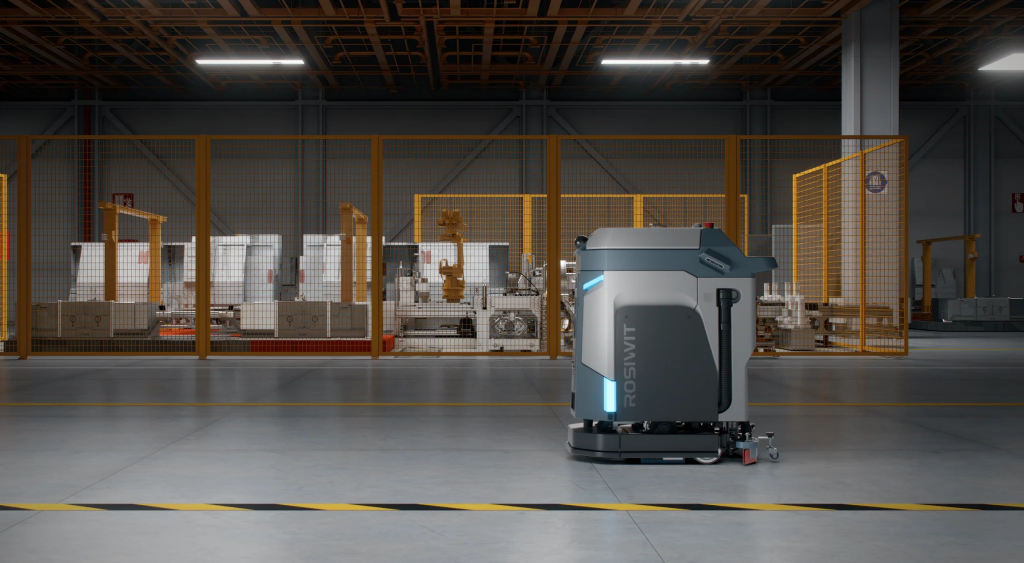
Acoustic Emissions and Environment Selection
Noise levels play a pivotal role when introducing mechanized maintenance machinery into public spaces. High-decibel vacuum motors create disruptive echoes in hospital corridors, library reading rooms, and executive office suites. Facilities requiring daytime sanitation must prioritize hardware designed with sound-dampening insulation and low-noise suction assemblies. Selecting equipment that operates below typical conversation volumes allows staff to maintain floor cleanliness without disturbing facility occupants or business activities.
Acoustic performance directly influences operational scheduling flexibility. The Skywalker GT achieves 60 dB Ultra-Quiet Operation, making it suited for noise-sensitive environments where silence is paramount. Equipment engineered with quiet airflow dynamics allows teams to run cleaning passes during regular working hours. Lower decibel output expands usable maintenance windows across healthcare and educational sites.
For procurement teams, acoustic specifications translate directly into compliance with occupancy noise ordinances—a contractual requirement that should appear in performance guarantees and penalty clauses within service-level agreements.
Mechanical Brush Dynamics and Deck Configuration
Evaluating brush deck configurations requires understanding how surface pressure impacts stain extraction. Disc brushes excel on flat stone and polished concrete, whereas cylindrical heads handle textured tiles with minor debris. Applying consistent downward deck pressure breaks up embedded grime without wearing down delicate floor seals. Facility managers must choose brush types that match their specific flooring materials to maintain long-term surface appearance.
Drive motor torque determines how efficiently brushes agitate surface soils under heavy load conditions. Variable deck pressure mechanisms allow operators to adapt scrubbing intensity based on soil accumulation levels. Integrating an autonomous cleaning robot with dynamic deck controls helps maintain consistent surface friction across wide corridors. Proper agitation mechanics optimize water usage while preserving structural floor integrity.
From a sourcing perspective, procurement officers should request comparative surface-wear test data from multiple vendors and include a mandatory on-site trial period in the bid specification—ensuring that brush configurations are validated against actual floor compositions before contract finalization.
Navigation Redundancy and Safety Systems
Navigating complex public buildings requires spatial awareness that goes beyond basic bumper sensors. Multi-sensor fusion arrays combine optical cameras, ultrasonic modules, and LiDAR rangefinders to build accurate spatial maps. Redundant sensor layouts help machinery detect low-profile obstacles, dynamic foot traffic, and sudden drop-offs near stairwells. Reliable perception prevents accidental collisions, protecting structural fixtures and surrounding pedestrians alike.
Processing speed determines how quickly autonomous machinery reacts to unexpected hallway obstructions. Real-time pathing algorithms calculate alternate travel lanes instantly when dynamic barriers appear in primary cleaning routes. Deploying an automatic floor scrubber with multi-modal sensing keeps operations moving smoothly without human intervention. Advanced safety engineering allows automated units to work safely alongside building occupants during busy operating hours.
Procurement documentation must mandate third-party safety certification (e.g., UL, ANSI) and require vendors to provide comprehensive liability insurance coverage—key contractual provisions that transfer risk away from the facility owner during autonomous operations.
Power Management and Battery Engineering
Operational availability hinges on battery chemistry, charging speeds, and energy density. Industrial lithium-iron-phosphate batteries deliver stable voltage output during heavy scrubbing passes while offering long overall cycle lives. Fleet supervisors should compare usable battery capacity against total square-footage requirements to determine real-world shift productivity. High-capacity battery architectures reduce power drops, allowing equipment to finish long cleaning runs reliably.
Fast-charging capabilities allow equipment to perform opportunity charges during short operational breaks. Machines that recharge quickly maximize daily floor coverage while minimizing mid-shift downtime. Utilizing an autonomous cleaning robot backed by efficient energy management supports flexible maintenance schedules across multi-shift facilities. Strategic power management helps operations teams maintain consistent cleanliness standards across sprawling properties.
For procurement valuation, a 5-year total-cost-of-ownership (TCO) model must compare battery replacement cycles, energy consumption rates, and charger efficiency across shortlisted vendors—with ROI break-even analysis presented as a mandatory section of the final bid evaluation report.
Fluid Balance and Recovery Efficiency
Clean water delivery must balance precisely with dirty liquid extraction to protect floor integrity. Imbalanced solution tanks force frequent operational pauses for refilling or draining wastewater, lowering overall hourly output. Smart liquid management systems regulate water deployment based on travel speed, preventing excess pooling on walkways. Controlling solution usage accelerates floor drying times and reduces slip hazards for pedestrian foot traffic.
Powerful suction vacuum turbines extract slurry from floor pores into dedicated holding tanks instantly. Parabolic squeegee designs channel extracted wastewater cleanly along turn radiuses, preventing trailing liquid marks. Choosing an automatic floor scrubber with high-efficiency fluid recovery keeps high-traffic corridors dry and safe for immediate pedestrian use. Proper fluid extraction preserves floor safety while keeping maintenance workflows continuous.
Automated Workstation Integration
Achieving full operational independence requires automated servicing infrastructure within the property. Self-docking workstations manage wastewater drainage, fresh water refilling, and battery charging without requiring manual assistance from staff. Automated servicing points eliminate routine manual tasks, allowing maintenance personnel to refocus on specialized sanitization priorities. Streamlined servicing routines keep machinery ready for scheduled cleaning cycles day after day.
Precision positioning sensors guide machinery safely into docking stations for secure fluid exchange and charging. Deploying an autonomous cleaning robot alongside an automated workstation creates a self-sustaining floor care system capable of running overnight. Automated station integration lowers physical handling overhead while extending the operational life of key internal components.
Digital Fleet Analytics and Data Visibility
Modern facility care relies on continuous telemetry to verify cleaning quality and operational metrics. Cloud-connected software platforms gather real-time data on square-footage covered, fluid consumption, and component wear trends. Centralized dashboards consolidate raw telemetry into clear visual reports, giving facility managers full operational transparency across single or multi-site property portfolios. Real-time data logging converts routine maintenance into a measurable process.
Remote diagnostic tools alert maintenance managers to consumable replacements or system errors immediately. Collecting performance analytics helps supervisors optimize route scheduling, track resource allocation, and document service compliance. Utilizing an automatic floor scrubber equipped with cloud tracking streamlines fleet management while supporting long-term budget planning.
Transparent data visibility helps operations teams make informed hardware decisions. Procurement officers should negotiate data-ownership clauses, API access rights, and software-update terms within master service agreements—ensuring that operational analytics remain an organizational asset rather than a vendor-locked service, with clear exit provisions for data portability.
Spatial Adaptability and Layout Efficiency
Commercial properties feature varied architectural challenges, ranging from narrow service passages to expansive open lobbies. Selecting versatile hardware allows facility teams to address specific spatial constraints without altering standard maintenance workflows. Compact chassis profiles maneuver around tight display fixtures smoothly, while broad-deck platforms cover massive logistics spaces efficiently. Evaluating turning radiuses and chassis footprints ensures chosen machinery operates effectively across target zones.
Flexible mapping tools enable operators to update clean boundaries, establish restricted zones, and adjust priority routes digitally. An autonomous cleaning robot adapts to shifting floor layouts smoothly as seasonal displays or temporary partitions move. Adapting routes on demand keeps automated cleaning aligned with dynamic building operations. Choosing adaptable equipment secures consistent floor care across constantly evolving commercial environments.
Conclusion
Selecting commercial floor care equipment requires balancing acoustic profiles, navigation safety, battery endurance, and digital tracking capabilities. Aligning technical specifications with specific facility needs enables operations directors to establish reliable, data-driven floor maintenance routines. However, successful procurement extends beyond technical fit—demanding rigorous TCO modeling, structured vendor risk assessments, performance-based contract clauses, and clear data-governance frameworks.
Our team at Rosiwit remains focused on engineering practical automated solutions that enhance floor care efficiency across diverse commercial buildings, while equipping procurement professionals with the analytical tools and contractual frameworks necessary to make confident, value-driven buying decisions.