
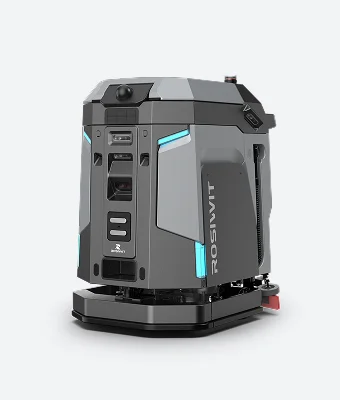

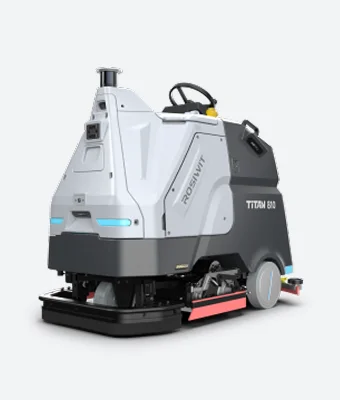
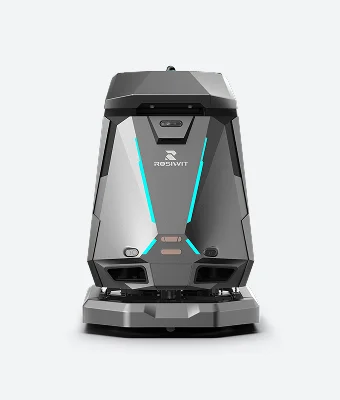
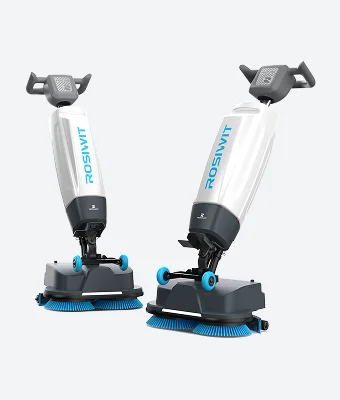

Upgrading commercial floor care routines involves weighing manual labor efficiency against mechanized scrubbing performance. Facility managers replacing mop buckets with a walk behind floor scrubber quickly notice substantial improvements in hygiene consistency and surface drying times.
Transitioning to specialized equipment transforms labor-intensive chores into manageable, systematic maintenance tasks. Our engineering team at Rosiwit designs practical floor maintenance equipment aimed at streamlining daily facility operations.
Hygiene Dynamics in Solution Management
Traditional mop buckets spread dirty water back across floor surfaces as cleaning progresses, cross-contaminating pristine areas. Using a modern electric floor scrubber addresses this hygiene issue by separating clean solution from extracted dirty slurry into distinct tanks. Dedicated solution delivery ensures fresh water and detergent contact floor surfaces continuously during active scrubbing.
Wastewater extraction systems remove dissolved soils quickly, keeping dirty liquid off commercial walkways. Continuous slurry extraction preserves floor coating integrity and prevents dark residue buildup along tile grout lines. Separating clean and dirty water streams elevates sanitation standards across high-foot-traffic facilities.
Agility and Maneuverability in Confined Spaces
Tight architectural layouts present physical challenges for bulky industrial cleaning machinery. Deploying a walk behind floor scrubber allows operators to guide equipment smoothly through narrow retail aisles and tight restroom corridors. Agile chassis designs allow quick steering adjustments around temporary displays, support columns, and dynamic obstacles.
Navigating restricted spaces requires specialized mechanical engineering for smooth handling. The Pilot One offers 360° rotating operation well suited for tight spaces, allowing operators to make sharp turns without clipping surrounding fixtures. Compact maneuverability ensures professional scrubbing standards reach tight corners previously accessible only to manual mops.
Surface Drying Dynamics and Slip Hazard Mitigation
Mopping leaves residual film and standing moisture that require extended drying times, creating slip risks for building occupants. Operating a walk behind floor scrubber combines liquid deployment with fast suction recovery to pull wastewater instantly from floor pores. Rapid moisture extraction leaves surfaces dry and safe for immediate foot traffic.
Controlled liquid recovery reduces slip-and-fall liabilities in public commercial spaces. Squeegee assemblies sweep extracted water directly into suction inlets, leaving minimal trailing moisture along turn paths. Keeping walkways dry during business hours allows facilities to maintain continuous cleaning routines safely.
Operator Ergonomics and Pause Convenience
Manual mopping causes significant physical exertion, leading to operator fatigue and inconsistent cleaning quality over long shifts. Replacing physical mops with an electric floor scrubber reduces physical strain on shoulders, wrists, and lower backs. Propulsion assistance allows staff to guide machinery smoothly across textured floor surfaces.
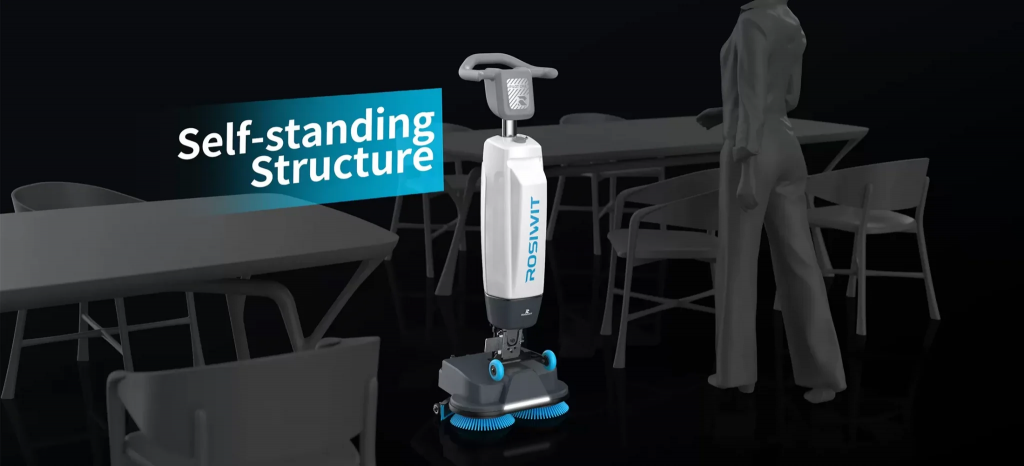
Convenient hardware design features improve overall user experience during routine shift pauses. The Pilot One incorporates a self-standing structure, so the manual floor scrubber can stand independently during pauses or battery replacement. Independent standing stability prevents equipment tipping, protecting surrounding fixtures and simplifying routine operator breaks.
Labor Efficiency and Operational Cost Structures
Analyzing floor care costs requires evaluating long-term labor expenses alongside initial hardware investments. Traditional mopping demands continuous manual effort, limiting daily square-footage coverage and increasing overall labor costs. Motorized scrubbers cover broad surface areas rapidly, allowing facility teams to accomplish more in less time.
Redeploying staff from manual mopping to high-priority sanitization duties optimizes labor allocation across commercial properties. Faster cleaning cycles reduce overall labor hours needed for routine floor upkeep. Investing in motorized floor care lowers recurring operational expenses over extended facility lifespans.
Chemical Dilution and Surface Preservation
Inconsistent chemical dosing during manual bucket mixing can damage floor seals and leave tacky chemical residues behind. Utilizing an electric floor scrubber enables precise detergent deployment, applying uniform solution concentrations directly to floor surfaces. Regulated chemical usage protects delicate floor coatings against premature wear and discoloration.
Uniform fluid dispensing preserves surface friction and extends the functional lifespan of commercial flooring materials. Consistent chemical application lowers overall detergent consumption, supporting cost-effective facility operations. Controlled solution management keeps commercial floors looking professional day after day.
Acoustic Control in Public Environments
Noise control represents a critical factor when selecting floor maintenance machinery for noise-sensitive facilities. Modern motorized scrubbers incorporate acoustic insulation and low-decibel vacuum motors to minimize noise output during active cleaning. Low sound emissions permit daytime cleaning passes without disrupting administrative work or public activities.
Discreet operation enables facility teams to maintain clean floors during regular operating hours. Quiet airflow dynamics prevent acoustic echoes in long corridors and open lobbies. Reduced operational noise expands usable floor care windows across healthcare, educational, and corporate environments.
Maintenance Workflows and Equipment Care
Sustaining long-term equipment performance relies on simple routine maintenance procedures. Modern scrubbers feature accessible recovery tanks, quick-release squeegees, and removable brush decks that simplify daily post-shift cleaning. User-friendly maintenance points encourage operators to perform routine checks consistently, extending component lifespans.
Clear fluid lines and easily accessible filters prevent internal clogs and preserve suction efficiency over time. Modular hardware designs allow quick component replacements without long servicing delays. Streamlined equipment care keeps floor maintenance assets operational and ready for daily deployment.
Conclusion
Upgrading from traditional mopping to mechanized scrubbing elevates hygiene standards, protects floor surfaces, and optimizes labor allocation across commercial properties. Integrating reliable equipment simplifies daily maintenance routines while maintaining high presentation standards. At Rosiwit, we remain dedicated to engineering practical floor care solutions that enhance operational productivity across diverse facility spaces.