
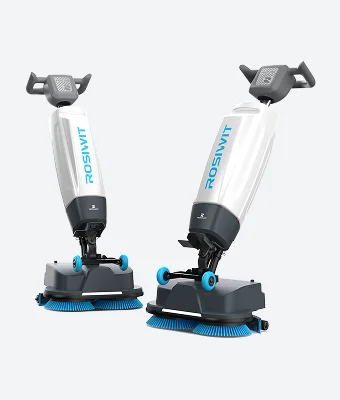
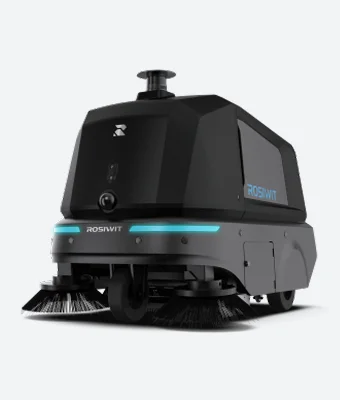

Modern commercial properties feature complex architectural designs requiring specialized floor maintenance strategies across varied materials. Integrating an automated cleaning robot helps facility directors streamline daily routines across wide corridors, marble lobbies, and carpeted conference suites.
Operational success relies on selecting equipment capable of adjusting to distinct surface textures while maintaining steady throughput. At Rosiwit, we develop specialized software systems that optimize cleaning paths across diverse spatial configurations.
High-grade granite, epoxy resin, and porous tile each present distinct maintenance requirements. Cleaning mechanisms must adjust fluid pressure, detergent dilution, and brush speeds dynamically to maintain surface integrity.
Mismatched cleaning protocols risk dulling protective coatings or leaving residual moisture that creates slips. Advanced sensory units analyze real-time surface resistance to adjust friction levels automatically during active operations.
Environmental Obstacle Recognition Systems
High-traffic commercial buildings contain dynamic obstacles including moving pedestrians, temporary displays, and unexpected debris. Operating a robotic floor cleaning machine within busy public spaces requires advanced spatial perception tools to prevent collisions and route delays. Multi-sensor fusion arrays combine LiDAR, visual sensors, and ultrasonic modules to construct dynamic environmental maps, allowing machines to navigate crowded areas safely and effectively.
Fast onboard AI processing enables instant path recalculation when unexpected barriers appear in designated cleaning zones. Rosiwit’s cleaning robots operate in diverse settings, requiring precise recognition of various floor types and environmental obstacles. Dynamic route adjustments prevent hardware idling, keeping operations moving without human intervention during high-occupancy hours.
Multi-Zone Operations in High-Traffic Facilities
Managing floor cleanliness across multi-story office buildings or transit hubs requires synchronized deployment schedules. A robust cleaning robot can transition between open plazas and narrow service corridors without manual repositioning. Coordinating cleaning tasks with building foot-traffic patterns minimizes operational disruptions and preserves floor appearance throughout busy operational hours.
Partitioning broad facilities into discrete cleaning zones improves overall operational throughput. Autonomous units handle high-turnover public zones during low-occupancy hours while focusing on quieter back-of-house service corridors during daytime business operations. Smart scheduling software optimizes route efficiency, saving energy and preserving brush wear across extended operational cycles.
Advanced Workstation Automation
Fully autonomous operations depend heavily on automated self-servicing infrastructure stationed within the facility. Utilizing a modern robotic floor cleaning machine paired with automated docking stations drastically reduces manual intervention requirements for facility staff. Dedicated servicing points manage battery replenishment, dirty water extraction, and fresh water refilling effectively during overnight operating windows.
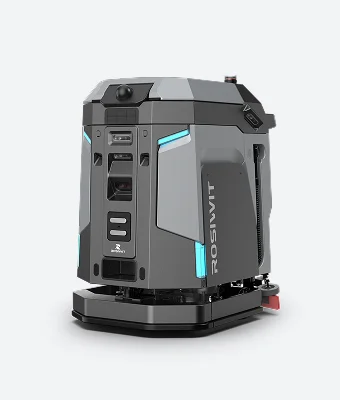
Equipped with an intelligent 5-in-1 workstation, the autonomous floor cleaner achieves end-to-end fully autonomous cleaning workflows. Self-docking systems perform precise mechanical alignment to execute rapid fluid exchange and battery charging protocols. Automated servicing minimizes routine maintenance bottlenecks, freeing facility managers to redeploy human labor toward specialized cleaning tasks.
Data Integration and Facility Analytics
Modern facility management relies heavily on continuous telemetry data to optimize operational expenditure. An intelligent cleaning robot gathers comprehensive telemetry regarding square footage covered, water consumption, and battery health. Centralized cloud platforms aggregate this data, offering facility directors detailed insights into maintenance performance and operational productivity across multiple sites.
Real-time alerts inform maintenance managers about necessary consumable replacements or unexpected path obstructions instantly. Operational dashboards turn raw cleaning logs into actionable asset management metrics, assisting long-term maintenance planning. Automated reporting tools streamline compliance documentation for commercial real estate portfolios, establishing verifiable proof of service.
Acoustic Management in Silent Environments
Noise control represents a vital consideration when deploying automated sanitation platforms inside healthcare facilities, libraries, or corporate offices. Operating a specialized robotic floor cleaning machine during regular office hours demands whisper-quiet sound profiles to avoid disrupting administrative work. Advanced sound-dampening enclosures and acoustic motor insulation allow equipment to work discreetly alongside facility occupants.
Low-decibel suction fan designs reduce operational noise without compromising water recovery performance on hard floors. Controlled brush deck acoustic emissions ensure quiet operation across sensitive indoor environments. Balancing suction efficiency with acoustic control allows facilities to implement continuous daytime cleaning schedules smoothly.
Heavy-Duty Industrial Performance Standards
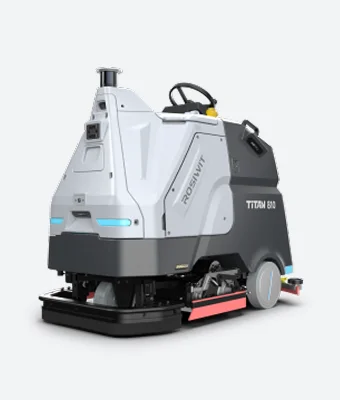
Logistics hubs and large distribution centers require heavy-duty scrubbing capabilities to handle industrial grime and tire marks. The Titan 810 addresses these demanding environments by delivering high down pressure and wide cleaning paths across massive warehouse floors. Sturdy chassis design protects internal components against minor impacts common in high-density storage facilities.
Industrial applications demand durable drive components capable of handling continuous multi-shift operations without mechanical breakdown. High-capacity fluid tanks minimize servicing stops during continuous scrubbing runs, maximizing active runtime. Robust mechanical engineering keeps operational overhead low while preserving floor safety across industrial facilities.
Compact Mobility in Restricted Public Spaces
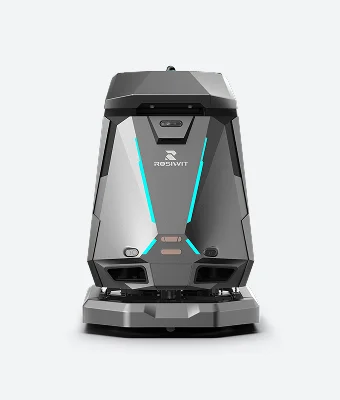
Tight indoor layouts present unique navigation challenges for large industrial cleaning hardware. The Skywalker 50 balances compact mobility with high-capacity scrubbing power, navigating narrow retail aisles and tight transit passages with ease. Precision steering systems allow seamless U-turns in restricted corridors without clipping surrounding fixtures.
Agile chassis footprints enable smooth movement through elevator doors and restricted service passages. Specialized brush decks reach close to walls and display fixtures, leaving minimal uncleaned border space. Compact designs broaden automated floor maintenance capabilities to spaces previously restricted to manual labor.
Conclusion
Optimizing facility maintenance across diverse commercial environments requires balancing robotic capabilities with smart operational workflows. Our team at Rosiwit continues advancing automated floor maintenance technologies, delivering efficient, data-driven equipment designed for dynamic architectural requirements. Sustainable facility care relies on intelligent integration, reliable hardware, and practical operational planning.